
Author: Brendon Patrick

  • How to Master Historical Research Methods: A Novelist’s Blueprint

    How to Master Historical Research Methods: A Novelist’s Blueprint

    For writers interested in exploring the past, understanding Historical Research Methods for Writers is essential. But there’s a myriad of genres out there. Each has its own accepted writing conventions and reader expectations, but there’s no other genre that can delve into our past better than Historical Fiction.

    But first, you must lay the groundwork; the correct research methods are what take your novel from a simple story into a vivid window to the past.

    One thing research has shown me is that it can also be a part of the creative writing process. The same can even be said for Historical Non-Fiction books that are inspiring and lots of fun to craft.

    As writers, the most important challenge we face is balancing our research with engaging storytelling.

    This might look daunting at first but used correctly it will become a valuable tool in your creative arsenal.

    Historian Patrick Collinson points out that:

    It is possible for competent historians to come to radically different conclusions on the basis of the same evidence.

    This explains one of the trickiest parts of writing historical fiction: selecting the proper archival and historical research methods for your narrative. And when it comes to data, crap in equals crap out, so applying sound collection methods will help you build well structured stories without harming your creative vision.

    In this piece, you’ll learn how to write historical fiction that feels real. You will see what keeps readers hooked, and you’ll find ways to develop a research plan, gather, and organise your findings in ways that’ll take your historical fiction to new heights.

    Start with a clear research plan

    Failure to plan is a plan to fail and writing without a research plan is akin to sailing around the world without a map.

    One place where writers often falter is when they dive head-first into the research rabbit hole. And don’t get me wrong, deep research is necessary, but people often spend months or years collecting data. But then they never write a word.

    Define your story’s historical scope

    Get all your ducks in a row by establishing both your geographic and era.

    For instance, the Renaissance might sound like one period, but it happened at different times across several countries. Everything from clothes and dialect, or even philosophy across these regions is going to be different. However, you can save yourself a lot of time by focusing on the specifics. For instance, I like to base my stories around a single character. But they must be grounded in a specific period and place. Then I can build the rest of my story and my research around that!

    List key questions you need answered

    Make a specific list of questions to answer before you start writing. I like to begin with the following:

    ·       What social norms existed during this period?

    ·       How did people dress, eat, and travel?

    ·       What technologies were available?

    ·       What historical events will affect your characters?

    This focused approach stops scattered research and will have you checking off that first sentence a lot faster.

    Identify types of historical research methods to use

    After defining your scope and questions, select your research methods.

    I like to begin with secondary sources, as they act as a good, but broad overview.

    Next, I move onto primary sources. These are items like letters, diaries, or newspapers and can provide writers with rich and authentic details.

    Most historical researchers use a documentary, biographical, oral history, or archival techniques, but the best writers fill the gaps with their imagination. So, remember, these are only tools. Use them to spark ideas and to ground your story so you can avoid bogging your readers down with facts!

    Gather and evaluate your sources

    Quality sources are the foundation stone of historical fiction.

    Your research plan is the catalyst here, and it should work to encourage a closer look at which materials will make your narrative realistic.

    Primary vs secondary sources: what to use and when

    Primary sources give first-hand accounts of events or time periods created during the study period. These include:

    ·       diaries,

    ·       letters,

    ·       speeches,

    ·       newspapers,

    ·       creative works, and

    ·       original documents like death certificates or court transcripts.

    Secondary sources provide analysis, interpretation, or commentary on primary sources. These are typically books, articles, or documentary-style works which blend information with ideas.

    How to assess source credibility and bias

    A source’s credibility depends on whether its content is trustworthy and accurate, and verifiable.

    This isn’t just a random pub-test though, and you need to be asking critical questions about the source, eg:

    ·       Who was the creator,

    ·       When was it created, and where, or

    ·       Who is the audience this source was intended for?

    It’s your job to assess the author’s credentials here and to filter through their biases.

    But while every source does have some degree of bias, it doesn’t instantly make them unreliable. However, it is your role to filter through the noise, because no bullshit detector is going to be better than your own—particularly when it’ll be your name printed on the final product.

    Using archival and historical research methods effectively

    Archival research is good for adding texture and depth to your story, but physical archives work best with specific questions rather than a random stumbling.

    Cross-reference everything you read. Small details, like diet and clothing all matter, and the best approach is to find your balance between primary and secondary sources.

    Organise and manage your research

    Data management is my Achilles Heel.

    So, if you’re wanting to make sense of information you’ve collected, then you’re going to need some good organisational skills. It’ll save you a whole heap of overwhelm but also create a valuable resource.

    Note-taking strategies that work

    Your first priority is to create some sense of reliable order.

    Your memory won’t retain everything you read, so, make clear marks in your notes. Highlight direct quotes. Paraphrase your understandings and summaries to develop your own ideas. But it’ll also help you avoid plagiarism.

    I like to write my notes by hand because it helps to sharpen my critical thinking, but tools like OneNote can work just as well.

    Creating a searchable research database

    Historical novelist Taylor Branch built a database with over 18,000 quotes for his three-volume biography of Martin Luther King Jr.

    You might not need something that extensive, but even a simple spreadsheet can be helpful.

    Software like Zotero is also another good option.

    Blend research with storytelling

    A historical fiction writer’s success hinges on their quality of research. However, we still need to know how to blend that research into our story, without coming off like a stick in the mud. My tip: don’t make the mistake of info-dumping. Don’t slump large piles of information into your prose. First, it bores the heck out of readers (a real cardinal sin), but it also kills the pace of your story and will put readers to sleep.

    Avoiding info-dumps in your narrative

    Info dumps show up when nothing is happening in your actual scenes. They’re expository paragraphs that lack any real effect because they focus too much on information and detract from the story. But do not ignore them. In fact, get them out of your system. Then, when it comes time for the reviews and re-writes, ask yourself: Is anything in this paragraph happening right now?

    If the answer’s no, then you need to cull it, or move it to the footnotes!

    Letting characters reveal the history

    I always let my characters carry the heavy load of storytelling. This enables them to show the historical elements in a way that will feel natural to the reader. Plus, they’ll learn more about the story from a character’s perspective than from long-winded descriptions.

    When to stop researching and start writing

    Research turns into procrastination when sources start to feel a touch redundant. Even then I’d say you’re long past the point of where the rubber needs to hit the road.

    Get yourself in tune with that I already knew this feeling. Then remind yourself that fiction equals creative freedom. In that sense, your story should matter more than historical accuracy. People might pick it apart, but people are going to pick it apart anyway, but this your story and you’re the one who gets to hang their hat on the effort it takes to write a novel. If you’ve done that part well, then the outside noise quickly fades away!

    Conclusion

    Historical research is for novelists who want to author authentic stories.

    We’ve seen how good research plans stop writers from falling down the rabbit-hole. That’s the kind of stuff that can hold writers up writing for years. But good research should boost your creative process, not bury it in the wake of redundant information.

    Quality primary and secondary sources play a vital role in historical accuracy. Writers need to assess it for credibility. Bias exists and we need to know how to sniff that out by cross-referencing and verifying our data.

    A well organised research database will prevent endless chaos, and you can choose between physical notes or going digital. The world is your oyster and maintaining your own system helps turn facts into meaningful stories.

    The art of historical fiction hedges on the ability to blend historical details into a creative story. Your characters should show history, not lecture readers about it. Meaning: your story needs to come first.

    Historical research might seem daunting at first. But this approach turns an overwhelming task into something you can manage. View it as part of your creative process and remember that balance is the key. Do only enough research to get your story moving, because the story is what people want to read!
  • The Afghan Australian Experience: A Journey of Identity and Belonging

    The Afghan Australian Experience: A Journey of Identity and Belonging

    The Afghan Australian story is a remarkable tale of identity, resilience, adaptation, and the enduring human quest for belonging.

    From the arrival of the first cameleers in the 1860s to today’s vibrant Afghan Australian communities, this is an endearing relationship which spans more than 150 years.

    Through cultural negotiation, transformation, and connection, this also the story of the Afghani Cameleers.

    Rough Beginnings: The Cameleers’ Arrival and Identity Formation

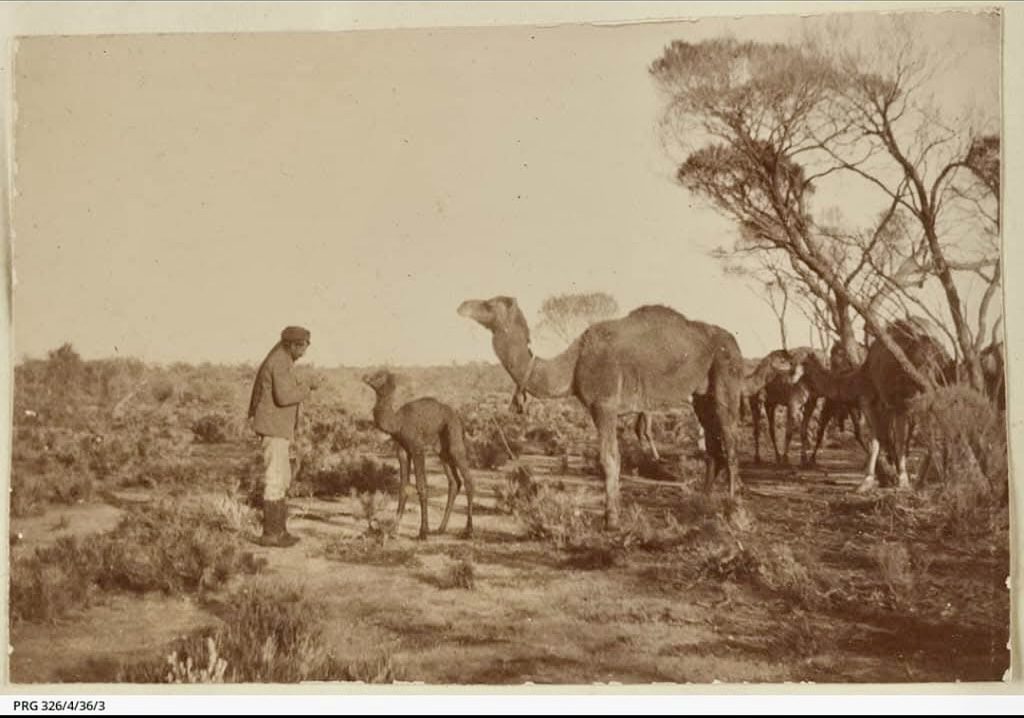
    After the infamous Burke and Wills expedition, and at the bequest of Thomas Elder, the first Afghan cameleers arrived in Australia around 1860.

    This country was tough back then. And it’s still tough now. But prior to mechanised transport, crossing through the more arid regions of the Australian interior simply was not possible on horseback.

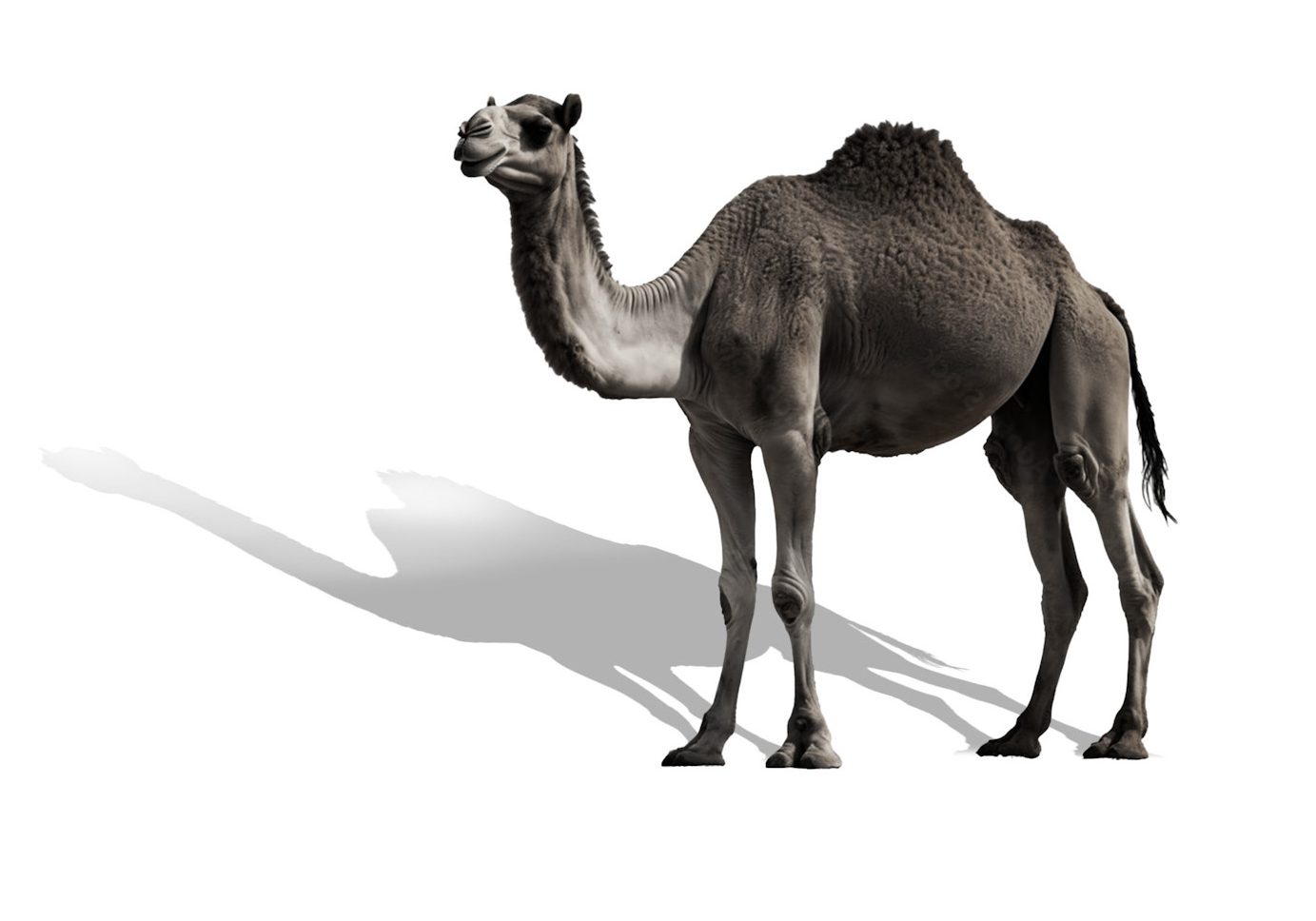
    Camels, and their handlers presented pioneers and early explorers with the perfect solution.

    These handlers—affectionately known as the Afghani Cameleers brought with them not only expert camel-handling skills. They also brought with them their own rich cultural and religious traditions.

    But although they collectively called: Afghani, many came from regions of Afghanistan, Pakistan, and India.

    It was an early identity shaped by occupation role, faith, regional origins, and colonial objectification.

    Initially, many cameleers believed their stay would only be temporary. So, they decided to keep strong ties to their homelands through language, religion, and customs.

    To the cameleers, such religious practices were vital to their identity. They set up Australia’s first mosques, such as the Adelaide Mosque (1888). And the Broken Hill Mosque (1891). Each serving as hubs for worship, education, and communal support.

    Despite the challenges of life in a foreign land, they practised their rituals faithfully. They integrated prayer and fasting into their demanding work routines. But, at the same time, practical realities led to cultural adaptations.

    The cameleers developed a unique pidgin language blending English with Pashto, Dari, and other languages. They adapted clothing for the Australian climate and modified religious practices pragmatically.

    Their interactions with Aboriginal communities often led to intercultural marriages. This created families with blended Afghan, Aboriginal, and European heritages.

    These early multicultural—although not considered legal, let alone accepted at the time—navigated complex identity negotiations long before multiculturalism became official Australian policy.

    Challenges and Decline: The Impact of the White Australia Policy

    The introduction of the White Australia Policy in 1901 marked a turning point in the cameleer story.

    Immigration restrictions prevented new arrivals, separated families (many cameleers travelled to Australia, alone, and were forced to leave their wives and children in their home country). But it also denied citizenship to the Afghani cameleers… despite their contributions to the nation’s development.

    This official exclusion fostered feelings of rejection and led to a devastating marginalisation of the cameleers.

    Then came the great technological advancements of the 20th century.

    The introduction of the motor vehicle meant that camels were replaced. This further diminished the community’s visibility and economic niche.

    Many cameleers, and their Australian offspring dispersed into urban areas, and cultural transmission weakened.

    Some families concealed their heritage to avoid discrimination, while others kept private their cultural and religious practices alive.

    This period created dormant identities, where Afghan heritage was preserved quietly but not publicly expressed.

    Preserving Heritage: Memory Keepers and Cultural Continuity

    Despite these challenges, certain individuals and families became memory keepers, safeguarding cultural knowledge through family histories, religious practice, language, and preservation of artefacts. Nowadays, efforts to support the historic mosques and gravesites help to anchor the community’s heritage.

    These acts of preservation laid the groundwork for later cultural revival and reconnection.

    Revival and Renewal: Multiculturalism and New Waves of Immigration

    Australia made the shift to multicultural policies in the 1970s (White Australia policy did not end until 1973). This opened new opportunities for Afghan Australians to reclaim and celebrate their identity. Heritage associations, oral history projects, cultural festivals, and restoration of historic sites became important avenues for expressing the Afghan Australian culture.

    Simultaneously, new waves of Afghan immigrants arrived.

    Many new Afghan Australians were fleeing Soviet invasion, civil war, Taliban oppression, and ongoing conflicts. They also revitalised the community with renewed language use, religious participation, cultural institutions, and new businesses.

    For descendants, like me, these arrivals offered a chance to reconnect with traditions that had all but been erased over the past half century.

    My Great, Great Grandfather, George Sher Gul. As featured in my novel: Afghani

    Navigating Complex Identities in Contemporary Australia

    Today, Afghan Australians embody multiple identities, balancing Afghan and Australian national affiliations, religious and secular life with traditional and modern cultural practices.

    Many embrace the Afghan Australian identity, selectively keeping traditions compatible with Australian society while innovating new cultural expressions.

    However, September 11 posed a new set of challenges.

    Increased xenophobia, societal scrutiny and discrimination, tested the community’s resilience.

    In response, Afghan Australians engaged in interfaith dialogue, media outreach, education, political participation, and internal support networks.

    The recognition of the historic cameleer contribution also helped counter negative stereotypes by highlighting a long-standing Afghan presence in Australia.

    Digital Connections and Transnational Belonging

    The digital age has transformed Afghan Australian identity and enabled immediate access to homeland media, global diaspora networks, and cultural resources.

    Social media platforms help identity expression and intergenerational connection, bridging descendants of early cameleers with recent arrivals.

    This digital engagement fosters a transnational identity that transcends geographic and social boundaries.

    Discovering Hidden Heritage: Genealogy and Identity Reconstruction

    A growing number of Australians are discovering Afghan ancestry through genealogical research and DNA testing facilities, such as Ancestry.com.

    These revelations often prompt profound personal reflection and identity reconstruction. Many experience surprise, curiosity, and a desire to learn about Afghan history, culture, and religion.

    This process of cultural recovery involves acquiring new learnings, adopting meaningful practices, connecting with community, and revising family narratives, while psychologists note that gradual, thoughtful engagement supports healthy identity integration, offering psychological benefits such as coherence, belonging, resilience, and new meaning.

    Conclusion: The Ongoing Evolution of Afghan Australian Identity

    The Afghan Australian experience illustrates the dynamic nature of cultural identity.

    The culture expresses itself as both resilient and adaptable, and rooted but always evolving.

    From pioneering cameleers setting up Australia’s first mosques to contemporary communities navigating complex multicultural realities, Afghan Australians prove how multiple cultural belongings can coexist and enrich lives.

    Their history challenges simplistic notions of identity as fixed or singular, showing instead how heritage can be a resource for psychological well-being and social participation.

    As Australia continues to embrace diversity, the Afghan Australian story offers valuable lessons about inclusion, cultural innovation, and the power of belonging.

  • 5 Simple Steps to Understand How Stories Work

    5 Simple Steps to Understand How Stories Work

    When I was younger, I didn’t understand how stories work—but I still devoured them. Some stayed with me for days, weeks, or even years after I turned the final page. Others were enjoyable but fleeting, leaving me wondering: What makes one story unforgettable and another easily forgotten?

    The answer, I’ve learned, lies in understanding how stories work. 

    Authors use specific tools—structure, characters, and themes—to connect with us on a deep, emotional level. The more I uncovered these techniques, the more I enjoyed reading and, honestly, the more meaningful books became.  

    If you’ve ever wondered how some books stay with you long after you’ve read them, you’re in the right place. Let’s dive into five steps that will help you appreciate the art of storytelling and become a better reader.  

    Why Writers Follow Story Structure Basics  

    Have you ever finished a book and thought: That was so satisfying. Or maybe, something felt off, but I can’t put my finger on it. That’s the power of story structure basics.  

    How Following Basic Story Structure Elements Creates Purpose

    Stories need a clear purpose to captivate readers. For example: The Hunger Games. Katniss’s fight to survive isn’t just about the action; it’s also about exploring themes of sacrifice, oppression, and resilience. Everything from the games themselves to her relationships with Peeta and Gale ties back to this central purpose.  

    Compare that to a book that meanders without direction—those are the stories we struggle to finish because they lack a guiding thread. When a novel has purpose, via the story structure basics, you feel it on every page.  

    How Plot Structure Fundamentals Guide Emotion

    In Pride and Prejudice, Elizabeth Bennet’s journey is shaped by misunderstandings and personal growth. Each chapter builds toward her realisation about Darcy—and herself. That gradual build is what makes the resolution so satisfying.  

    Without structure, these emotional highs and lows wouldn’t land. By paying attention to how an author shapes the story’s emotional journey, you’ll gain a deeper appreciation for its impact.  

    The Big “What If” Behind Every Story  

    Every story starts with a question that hooks the reader. I like to think of it as the spark that sets the entire narrative on fire.  Examples of Great “What If” Questions:

    • What if an ordinary boy discovered he was a wizard? (Harry Potter)  
    • What if society forced people into arranged deaths to control population? (The Giver)  
    • What if a woman fell in love with a man she wasn’t sure existed? (The Time Traveler’s Wife)  

    When I read The Midnight Library by Matt Haig, the “what if” question—What if you could see all the lives you could’ve lived?—grabbed me immediately. It made me think about my own choices and regrets, which added a personal layer to the story structure basics.  

    As a reader, spotting this “what if” question can help you understand the stakes of the story and why it resonates.  

    How Characters Drive the Story  

    I’ve always been drawn to flawed, complex characters—the ones who feel real, even when they exist in fantastical worlds. That’s because characters are the beating heart of any story.  

    The question is:What Do Characters Want?

    Every compelling character has a goal. For example:  In The Great Gatsby, Gatsby wants Daisy—but his obsession with her idealised version leads to tragedy.  

    In Little Women, Jo March longs for independence and struggles to reconcile her ambitions with societal expectations.  

    When you identify what characters want, you can better understand their choices and conflicts. This adds richness to your reading experience.  

    How Character Development Guides any Story

    The best characters don’t just pursue goals—they grow in the process. For instance: in A Song of Ice and Fire, Arya Stark starts as a headstrong girl seeking revenge. Over time, her journey forces her to confront who she is beyond her list of enemies.  

    Growth arcs like this make characters relatable. As readers, we see bits of ourselves in their struggles, which deepens our connection to the story.  

    How Analysing Story Components Can Shape Every Story 

    As a reader, to understand how stories work often means spotting the turning points in a story can make the experience more rewarding. Authors intentionally structure their stories around pivotal moments, and recognising these following moments can help you appreciate their craft:

    Inciting Incidents

    This is where the story truly begins. For instance: In The Hobbit, Bilbo’s quiet life changes forever when he’s invited on an adventure.  

    In du Maurier’s Rebecca, the protagonist’s life shifts when she arrives at Manderley and discovers the lingering shadow of Rebecca.  

    Climaxes

    These are the moments when everything hangs in the balance. One of my favourite climaxes is in Atonement, by Ian McEwan. The revelations near the end hit like a gut punch because every thread of the story structure basics converges in an unforgettable way.  

    Resolutions

    A great resolution doesn’t just tie up loose ends—it leaves you thinking. 

    In The Road by Cormac McCarthy, the father and son’s journey ends on a poignant, haunting note, forcing readers to reflect on survival, hope, and legacy.  

    Why Stories Feel Personal  

    Have you ever felt like a book was speaking directly to you? That’s no accident. Great authors use universal themes—love, loss, identity, redemption—to connect with readers.  If the books you’re currently reading do not illicit this, then I highly recommend exploring different genres.

    Themes That Resonate

    One reason I loved The Book Thief was its exploration of the power of words. As someone who’s always loved reading and writing, this theme felt incredibly personal.  Another example is The Alchemist, which speaks to anyone searching for their purpose. 

    Its message about following your dreams struck a chord with me during a time when I felt unsure about my path.  

    Relatable Characters

    Sometimes, a character’s journey mirrors our own experiences. When reading Eleanor Oliphant Is Completely Fine, I found myself identifying with Eleanor’s struggles to connect with others and navigate her past. 

    It reminded me that stories can help us see our own lives in a new light.  

    The Bottom Line: To Understand How Stories Work Enhances Your Reading Experience.

    Every book has a story behind the story. By uncovering how authors craft their narratives, you can turn every book into an adventure—not just through its plot, but through its artistry.  

    Next time you pick up a novel, ask yourself:  What’s the big “what if

    • How do the characters grow?  
    • What moments changed everything?  

    When you approach books this way, you’ll not only enjoy reading more—you’ll also connect and understand how stories work on a whole new level. And maybe then you can use this new approach to boost your own creative inspiration

    Let’s keep exploring, one story at a time.