Blog

  • Finding Primary Sources for Historical Fiction

    Finding Primary Sources for Historical Fiction

    A Step-by-Step Research Guide for Historical Fiction

    Finding Primary Sources for Historical fiction research can be one of the deepest and darkest rabbit holes a writer ever dives down. Trust me, I know! With over 26,000 historical pamphlets from 19th century Britain alone, the task can seem insurmountable.

    My style is to research as I write. The approach has its own rewards, but damn, does it have its pitfalls too.

    Diving into primary sources can be absolutely paralysing. And that’s just because of the sheer volume of materials alone.

    The numbers are staggering—240,000 pages on life in London alone, plus another 3.35 million instances of historical names on record. Sometimes I just have to stop and come up for a breath or two.

    But what are these resources good for?

    Well, they give writers like us a unique chance to capture authentic details. In historical fiction, accuracy matters, and if you bugger it up, readers are going to let you know about it. But we really don’t have any excuse!

    In the UK, digital libraries hold some 162 periodicals from the 17th to early 20th centuries, which can make searching for specific information feel like hunting for the proverbial needle in a haystack. Been there, done that—would rather dig my eyes out!

    But alas, primary sources for historical fiction pop up everywhere.

    You’ll find them in archived newspapers that show daily life at the time. Museums house millions of artefacts and oral stories with personal accounts from way back when; the opportunities go on and on.

    And that leads us to the real questions: how can writers use these resources effectively? What exactly counts as a primary source? And where do we look to find the ones that will make our historical fiction ring true?

    Without further ado, let’s hop-along on a step-by-step journey to finding and using primary sources. We’ll learn how to make your historical fiction not just accurate but actually immersive—instead of dead-set boring.

    Ready to tap into the full potential of these primary source treasures? I sure am!

    Table of Contents

    Essential Primary Sources for Historical Fiction

    Definition and Examples of Primary Sources

    Why Primary Sources Matter in Historical Fiction

    How to Identify the Right Time Period

    • Narrowing down your story’s era
    • Making Plot and Historical Context Line-up

    How to Research Primary Sources Online for Authentic Historical Fiction

    • Digital Libraries and  Archives
    • University and Government Databases
    • Specialised Historical Collections

    Using Newspapers and Magazines

    • Understanding Daily Life and Language
    • Finding Ads, Events and Editorials
    • Headlines can also help set up your story.

    Photographs, Maps, and Visual Records

    • How Images Reveal Setting and Culture
    • Using Historical Maps for Accuracy

    Oral Histories and Personal Accounts

    • Where to FindRecorded Interviews
    • Using Personal Stories to Build Characters

    Reaching Out to Experts and Communities

    • Contacting Historians and Professors
    • Using Social Media and Forums

    Organising and Citing Your Research

    • Keeping Track of Sources
    • Avoiding Historical Inaccuracies

    Essential Primary Sources for Historical Fiction

    Deep and thorough research is what gives authority and authenticity to any writing.

    ~ Carol Fisher Saller, Editor of The Chicago Manual of Style Online’s Q&A and author

    Raw, primary resources for historical fiction research can be found in many places. These include documents, artefacts, or other information sources such as the internet and libraries. They’ve mostly been studied by people who witnessed the events firsthand, created during that specific time period, or eyebleedingly researched by historians specialising in that time period or event.

    Ultimately, it’s these resources which provide us with an authentic voice. Kinda like a looking glass into the past that shows us historical realities that secondary sources fall short on.

    Definition and examples

    Primary sources for historical fiction aren’t just original materials. They’re the closest connection we have to the past. These documents speak for themselves in ways secondary sources can’t divulge. They represent—to an extent—a subjective point of view from a primary witness.

    It’s the timing of their creation which sets primary sources apart. These primary sources come from the exact time of the events they describe. And that’s mostly because they were literally there.

    Historians group these sources into several categories:

    Primary sources can switch roles based on how we choose to employ them. For instance, a memoir might serve as a primary source—especially if you’re studying its author’s life. But that same memoir becomes a secondary source when examined from a broader cultural perspective. Tricky-dicky, right?

    Physical objects should get some special attention, too. As some historians point out, an object can be the very thing which inspires your line of questioning and spurs on your research process. I once found an antique medicine vial at a flea market once. Paid way too much for the thing, but it completely changed the direction of my story!

    With that said, it’s not so ironic that items like jewellery or those old medicine vials can teach us a thing or two about history.

    Why they matter in historical fiction

    Here’s a fun fact for you: without primary sources, historical fiction cannot be written—it would simply just be fiction. Sources serve to add authentic flavour to your work. They help chime in on any chosen era, guiding you to create genuine voices while also informing you on historical events.

    Each source shows us language patterns, finds relevant opinions, and reveals daily routines that textbooks might otherwise skip. Newspapers, advertisements, and personal accounts illuminate people’s values, speech patterns, and motivations, providing key elements for creating authentic characters.

    These primary sources help writers avoid the common stuff-ups that always detract from the story. But then, reading materials from your story’s period also helps you to develop an exact feel for that era. I remember when I first read a bundle of my Great Grandfather letters—he’d sent to his wife—during WW1. The way he expressed himself was so different from what I’d imagined, but vastly different from how we speak today.

    The closer you can get to your setting and to primary sources, the more authentic your history is going to be.

    ~ David B. Coe, Fantasy and Historical Fiction Author

    [David B. Coe draws insights from his shift between fantasy and historical fiction.

    His historical mystery series: The Case Files of Justis Fearsson shows his careful study of 1920s America.

    He looks for personal journals and letters first then checks scholarly analyses.

    He thinks these personal writings capture emotional truths that academic works might overlook.

    This method shows how primary sources give readers a real taste of the era.]

    While invaluable to writers, primary sources require careful reading. UCLA’s historians tell us to think about who the author was, why they wrote the document, and who they wrote it for. With that said, you need to watch out not just for hidden biases, but limited points of view, then illicit a little bit of context into what it is you’re reading. Because like they say: the winners often write history, so we often miss the other side of the story.

    So now we’ve established that primary sources aren’t always perfect, let’s move along by turning our attention to medieval writers. They, for instance, often made numbers bigger to impress or provide shock value for their readers. Yet, ironically, these sources still manage to deliver a clearer picture of what happened compared to later accounts by people who weren’t there.

    Writers of historical fiction can also lean on their sources to balance accuracy with storytelling. This means not just acknowledging the subjective nature of history but often making their fictional worlds more palatable.

    Secondary sources can provide their own context too, but they can’t match primary sources for immediacy. Letters, diaries, and newspapers don’t just tell us what happened—they show it to us firsthand. This enables readers to feel and live through those times, which is what makes historical fiction so appealing.

    In the following sections, I’ll show you how to find and use such sources, and how to turn raw research into vivid fiction that winds back the clock.

    How to Identify the Right Time Period

    The right historical period can make or break historical fiction—quite literally. You need a strong sense of the exact time your story takes place before you go digging up any primary sources. Because the purpose here is to do more than just set the scene—it’s gotta form part of your story’s DNA and shape your characters’ motivations, conflicts, and decisions.

    Narrowing down your story’s era

    Many of us start with nothing more than a general interest in a specific era or historical event. But, when I began drafting Afghani, this choice was practically made for me. I wanted to retell my own story and experiences in the Afghanistan War but also link that to my Afghani heritage and my family’s story. That enabled me to zoom in on a specific year or range of years. Though it felt restrictive at first, it made my research and storytelling ten times stronger.

    So, once you’ve decided on an era—and perhaps a premise—it’s useful to narrow down your focus and research efforts. This is what you’re going to build your setting on—along with external conflicts and events, in whatever particular era you pick.

    Now, let’s try this one on for size: say your story is set during World War II, specifically around the bombing of Darwin. It’s quite a specific event, and much of the details around it are all but set in stone. This means you’re going to have to decide whether your narrative happens before, during, or after that specific date. Ultimately, the choice will affect the direction your narrative takes and significantly influence which primary sources you’ll need.

    But, all-in-all, your historical moment should take these three factors into account:

    Start with a broad historical theme. This helps you to align yourself with something you love. Then, identify specific events which might marry up with those themes. Finally, research specific events and take a deep dive into their wider effects to uncover your angle.

    History experts and fiction writers often use frameworks to organise their research. Two helpful approaches are:

    Each will help you gain a fuller picture of your period of interest and ensure you don’t miss any details when collating your primary sources.

    Debut Novel book cover for Afghani
    AFGHANI, by Brendon Patrick

    Making plot and historical context line up

    Your historical period is essential to your story, too. So it’s important not to jam it in there, just for decorative purposes. If you’re writing about the gold rush in 19th century Ballarat, and the gold rush isn’t integral to your story, that setting becomes superfluous. Your characters need to act in ways that make sense for their time, otherwise it won’t feel authentic. However, there are exceptions to this rule—it’s your story after all, so break them if you must. But, at the end of the day, your plot and conflicts still have to ring true regardless of your chosen era and adherence to said rules.

    For example, let’s take a family of farmers struggling to keep their land after a series of crop failures. Prices are falling amid the Great Depression, and the bank is putting the blowtorch on them, because their mortgage is overdue. Is that a believable plot with a compelling conflict?

    I’d say so.

    On the flip side, a story about an orphan haphazardly striking it rich overnight, during the same time period, could be pushing credibility too far.

    Need more guidance?

    Give this a crack: choose or create a potential conflict from your story.

    Picture it in various time periods. See how gender discrimination in academia would play out for a young woman today, then compare it to her grandmother’s generation. Notice how each era best fits its respective narrative.

    Setting means both place and time. Adding these elements gives form to the mood and your characters. The era determines how characters speak, dress, think, and act. For instance, a woman in WWII-era France will likely behave in stark contrast to a woman in 14th-century France.

    Research will help you pick the right time period, but that doesn’t mean you have to bury your head in old, leather-bound books.

    You can just as easily start by watching films or TV shows set in that era. A few documentaries wouldn’t go astray, either. Then, after soaking up all that good oil, let your imagination take over.

    Go out and find your research materials, then set ‘em aside and forget them.

    Really!

    Writing with your notes in front of you makes you feel bound by the facts, leading to analysis paralysis and preventing you from writing.

    Remember, there’s no need for perfect accuracy in the first draft, but you cannot progress until it’s complete.

    Finally, primary sources for historical fiction aren’t just there to research and learn from. They spark your creativity, dishing out both facts and inspiration for compelling and authentic historical fiction.

    How to Research Primary Sources Online for Authentic Historical Fiction

    We now live in a digital age where technology is moving faster than ever before. This changes how we locate our sources. With thousands of documents to explore, digital libraries are only a few clicks away, removing the necessity to travel or visit physical libraries. Although I highly recommend still doing both (there’s nothing like the smell of mouldy old library books!), let’s explore a digital world where all the treasures await.

    Digital libraries and archives

    Many of the biggest libraries now house massive collections of primary sources—in digitised formats. That’s a huge deal when you consider these collections were once only available as physical archives. The World Digital Library keeps cultural objects and historical documents from around the world. With support from UNESCO, the collection holds more than just books—there are also manuscripts, maps, newspapers, journals, prints, photographs, sound recordings, and films that span the centuries.

    Other key digital libraries include:

    These platforms have made historical materials available to everyone, regardless of location. Each platform is unique—in its own way. For instance, Hathi Trust links text to every library catalogue record with metadata via subject terms. The Internet Archive, however, focuses more on multimedia content.

    University and government databases

    Universities and government institutions also hang on to some pretty impressive sources. The National Archives, for example, keeps government records that display Australia’s history. The U.S. National Archives alone makes thousands of online primary source documents publicly available.

    Universities also manage specialised databases.

    The British Historical Primary Sources has over 26,000 pamphlets from the 19th century. These collections often cover specific historical periods or themes. Examples include The Vietnam War and American Foreign Policy. The Making of the Modern World shows digital facsimile images of economic works published between 1450 and 1850.

    Government databases themselves offer unique materials. Take The U.S. Congressional Serial Set (1817-1980) and American State Papers (1789-1838), which give insights into American political history. The National Library of Australia’s Trove platform also houses its own plethora of resources.

    Specialised historical collections

    If you’re looking to go beyond general repositories and focus on specific times and subjects, you’re in luck. There are specialised collections that go above and beyond the generalised. The Australian War Memorial is a great example of this, combining a shrine, museum, and an archive that documents Australia’s entire military history. Then there’s the British Library’s Making of the Modern World has works published between 1450-1914.

    Marginalised voices and specific historical movements aren’t being left out in the cold either. Take the Women and Social Movements International collection, which features writings of female activists stored in over 300 repositories, including personal diaries and letters. Women, War and Society (1914-1918) displays women’s roles in Britain’s conflicts, with a plethora of photographs and documents from the Imperial War Museum.

    But it’s not just war memorials keeping local and regional history alive. The University of Leicester keeps directories and resources full of Leicester’s history. The Royal Historical Society of Victoria keeps a substantial collection focusing on the Victorian experience in Australian history, including books, manuscripts, ephemera, pioneer registers, scrapbooks, journals, photos, and maps.

    All these resources work best when you get your head around their search capabilities, though, the content of this scope is often limited by access restrictions. Because, while some resources are free, others require paid institutional subscriptions or membership. Nevertheless, they give writers an exceptional chance to hear authentic voices from the past, so a one-time payment might be worth your while.

    Using Newspapers and Magazines

    You don’t necessarily have to pay for research materials but.

    There’s no shortage of newspapers and magazines in the world, just begging for your research. Some of these have also been reproduced in subsequent publications, so you don’t have to have to worry about ripping through artefacts.

    These are also a great way to gain insights into daily life throughout history.

    Just think of them as time capsules that preserve the authentic language and concerns of a bygone era. They often contain a rich vein of otherwise forgotten material from sources like everyday people.

    And imagine all those articles in the local paper and the public interviews they contain, then picture the same incidences occurring two centuries ago. These are often firsthand accounts of events and some of the richest sources of information.

    Understanding daily life and language

    Old newspapers put you right in the middle of the picture, too, and often reveal linguistic patterns and social rhythms from the era. This lets us get a better sense of the language of the day and what was important in that community.

    I can’t think of a more relevant source that brings authentic voices to life. But it’s also a fantastic opportunity for writers to develop characters whose views match that exact time and place.

    I wanted the dialog and attitudes of the historical characters to be as authentic and accurate as possible; my goal was to put only the trivial elements of conversation into their mouths.

    ~ Mary Doria Russell, Author of historical novel: Dreamers of the Day

    [Russell’s approach shows deep respect for people in history.

    She taught anthropology before becoming a writer, which gives her research a scientific edge.

    For her book: Dreamers of the Day, which includes T.E. Lawrence and Winston Churchill as characters, she dug into newspaper interviews, speeches, and personal letters.

    Russell looked at newspapers from that time to understand not just what these figures said, but how they said it. Their usual phrases speaking tricks, and word choices.

    This method shows how newspapers offer voices from the past that help writers create real-sounding dialogue.]

    You’ll also gain an understanding of the era by reading societal attitudes that textbooks often miss. For instance, looking at child welfare cases from the late 19th century through local publications, you’ll find that social workers couldn’t comprehend how the lower classes were living. Yet these were the people they were supposedly helping. Can you imagine the class tensions that could arise from that situation. Now, imagine the depth and detail that can give to your fictional characters?

    It’s also worth noting that these sources can and will contain some level of bias. Our time is no exception, nor was it in 1718. But understanding these biases will give you multiple perspectives, creating a richer portrayal of the era.

    Finding ads, events, and editorials

    News articles aren’t the only treasures that bring historical settings to life. I show many examples of this in my novel Afghani, but they’re all great inspiration for character development:

    Headlines can also help set up your story.

    Your character might have been met by a historic moment or even taken part in it. This sort of detail can orient your readers.

    Human interest stories are just as authentic, as are recipe sections of publications, which can provide visual explanations of how food was prepared. Movie listings and entertainment reviews also reveal popular diversions. All this adds up to make newspapers an essential source for writers wanting to recreate authentic worlds.

    Photographs, Maps, and Visual Records

    Visual primary sources give us insights that written documents can’t match. Photos and maps act as windows to the past and show intricate details about historical periods that written descriptions might miss.

    After all, history is a type of fantasy. For all the primary source research, in the end, the past world the historian builds is as weird and remote from our own as Middle Earth or Narnia, yet oddly familiar.

    ~ Ysabeau S. Wilce, Historical Fiction Author

    [Wilce draws an interesting parallel between historical research and fantasy world-building giving us a new way to look at visual sources.

    As the creator of the Flora Segunda series, which mixes historical elements with fantasy, Wilce builds rich detailed worlds based on careful study of 19th-century California.

    Her remark shows that even with lots of primary sources, recreating history always needs some imagination.

    Wilce turns to historical photos and maps to start her world-building.

    She examines the finer points of clothes, buildings, and land features before letting her imagination fill in what’s missing.

    This shows how visual records give crucial concrete details that written sources might leave out.]

    How images reveal setting and culture

    Photos do more than just document history. A camera’s presence can turn an everyday moment into a story in itself and change how people act and present themselves. So, we shouldn’t see photos as neutral snapshots of reality but as carefully crafted narratives.

    To analyse historical photos for your fiction:

    Photos also spread history. To cite an instance, the Picture Post magazine asked readers to keep issues as a complete record of the year’s events – a slice of history in vivid intelligible, entertaining form.

    Photos don’t just preserve history—they inform our memory and understanding of it.

    As a novelist, I’ve learned that portraits show hairstyles, jewellery, and clothing details that textbooks rarely cover.

    Group photos also reveal social hierarchies through positioning and posture—great material for creating authentic character interactions.

    Female academics in 1960’s Afghanistan – Image Source, The Atlantic

    Art historians study photos’ physical traits, production methods, and artistic traditions.

    Historians and ethnographers focus on documentary value. How well photos capture their subjects helps historical fiction writers create better stories.

    Using historical maps for accuracy

    Historical maps hide secrets that modern tech helps us find.

    Placing old maps on top of current ones shows geographical changes, old transport routes, and settlement patterns we wouldn’t otherwise see.

    But keep this in mind: old maps have intentional distortions that show the mapmaker’s biases and technical limits, too.

    These distortions are, by themselves, worth studying. Analysis methods show which areas mapmakers knew well (drawn more precisely) versus less familiar places.

    Real-life applications for historical fiction:

    Historical maps are essential tools for period fiction. One writer shares:

    While writing Paris In Ruins which is set in 1870 Paris, I used a map drawn in 1871 to ensure that I referenced the correct street names… as well as the locations of parks, churches, government buildings, and other important places.

    New methods like GIS mapping, LiDAR technology, and 3D modelling let us study historical maps better than ever.

    This tech helps rebuild historical landscapes accurately and shows features like old roads and farming systems hidden under modern buildings.

    Careful study of photos and maps reveals authentic details that make historical fiction truly immersive. These visual sources are the proof of daily life that brings fictional worlds to life.

    [if you’re interested in reading some of my work, then please check out AFGHANI. It’s available at all major online retailers]
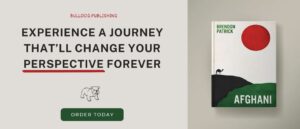
    Afghani, by Brendon Patrick

    Oral Histories and Personal Accounts

    Oral histories capture the human voice in ways other primary sources can’t. These recordings preserve personal experiences that tend to fade away over time. They give historical fiction writers a unique way to witness authentic emotions, dialects, and views from people who lived through crucial events.

    Where to find recorded interviews

    Libraries house many oral history collections that researchers haven’t fully explored yet. And curators often point out that these recordings are generally: precious documentation that is inaccessible or ignored.

    The Queensland Police Museum’s situation shows this clearly. Multiple oral history interviews just sit in a drawer because they don’t have enough staff or resources to make use of them.

    But here’s how you can find these hidden gems:

    Some collections highlight voices we rarely get to hear, like the Australians with Chinese heritage oral history project and the Bringing Them Home Oral History project about Indigenous Australians’ experiences. These collections offer broader and richer views for historical fiction writers.

    Using personal stories to build characters

    Personal histories give writers rich material to develop characters.

    They provide real dialogue patterns, emotional responses, and life experiences.

    Padma Viswanathan wrote The Toss of the Lemon (2008) based on talks with her grandmother about her own grandmother’s life as a Brahmin widow.

    Dave Eggers did something similar. His book: What is the What, comes straight from conversations with Sudanese refugee Valentino Achak Deng.

    To build strong characters from oral histories:

    The best fictional characters come from understanding both events and people’s feelings about them.

    Gabrielle Wang talks about this in her book: The Garden of Empress Cassia:

    I gave Mimi problems that I faced. You know, hating being Chinese, self-loathing about being Chinese, ashamed of the parents… But of course, in a novel—in a children’s novel—you can make it have a happy ending.

    Writers need to think about the ethics of using personal stories, too.

    Terry Whitebeach talked to her son about life in rural Tasmania and changed names and mixed character details in her novel: Bantam.

    Reaching Out to Experts and Communities

    The most detailed archives might not have all the answers to your historical questions.

    You can get valuable primary source insights by chatting with experts and communities when traditional research methods hit a dead-end.

    Contacting historians and professors

    Most experts’ welcome questions from writers who show genuine interest in their work.

    Specialists are usually delighted to talk about the subjects they love, provided you approach them courteously and un-demandingly, and thank them generously.

    The postal museum’s staff was more than happy to help when I asked them about pre-telegraph era in Australia, and how people communicated across the continent.

    Here are some effective ways to make academic connections:

    The key is to present yourself as a serious researcher.

    As one professor explains to me: If I’m intrigued and interested.

    And that’s how you’ll likely get a response.

    Your questions should be specific and show that you’ve done your homework.

    Using social media and forums

    Online communities can share collective knowledge about historical periods. To name just one example: Australian Cameleers, a Facebook group, is populated by experts and authors who’ve written on the subject, and descendants of the original Afghani Cameleers.

    You’ll also find great insights from historical re-enactors, local history groups, obsessive collectors of material culture, and devotees of a particular historical figure.

    Here’s where to find research-rich content on social media:

    These platforms help you build connections around your research interests. You’ll discover firsthand accounts, fresh sources, and insider information that traditional primary sources couldn’t bargain for.

    Organising and Citing Your Research

    Whether it’s Fiction or nonfiction, a writer must be scrupulous in quoting words precisely and crediting their source.

    ~ Carol Fisher Saller, Editor of The Chicago Manual of Style Online’s Q&A and author

    A good plan helps you organise your primary source research without getting buried, neck deep, in historical details.

    Scrivener proves invaluable for historical novelists. It professionally eases the gathering and organisation of all your research material. It can even import Web pages, so you don’t have to go hunting for that bookmark you forgot, or that note you stuffed deep inside your jeans pocket, then put it through the wash.

    Keeping track of sources

    Your research findings need a consistent management system. These options can help:

    The best organisation system prevents what researchers call: note confusion.

    Your information becomes easy to find later when you categorise findings with a clear and definite header at the start.

    Avoiding historical inaccuracies

    Careful citation practices help to keep historical accuracy in your fiction.

    This becomes a crucial factor when you research specific details: like how long it would take for a cut to turn septic and kill someone in the 1690s.

    Good documentation lets you check your sources again… and again!

    These steps help keep accuracy:

    Note that 90 percent of the details you unearth during your research should never be used in your novel.

    Your story needs an authentic historical world. It’s not meant to be a showcase of everything you’ve learned along the way.

    Conclusion

    The Power of Primary Sources for Historical Fiction

    This piece takes us through the vast landscape of primary source for historical fiction research.

    Without a doubt, these historical treasures help create fiction that doesn’t just tell about the past, it quite literally transports readers back in time.

    Primary sources also breathe authentic life into our historical narratives.

    Writers can examine yellowed newspapers to capture period-appropriate dialogue, dissect photographs for clothing details, and listen to oral histories that reveal emotional truths.

    Our work depends on our being able to research and accurately portray other peoples’ lives. Otherwise, we could only write about ourselves.

    ~ Ian McEwan, Acclaimed Novelist

    [McEwan’s words stem from his study for his historical novel: Atonement, where he looked at many original sources like nurses’ journals from WWII.

    As a regarded modern literary novelist, McEwan’s focus on research holds special importance. This quote sums up the key reason historical fiction writers need original sources; they build the crucial link between how we see things now and past events.

    McEwan has talked about the moral duty historical fiction writers have to their subjects thinking that studying original sources is not just about getting facts right but about showing respect for people from the past.

    This backs up my point about how original sources can change the way we create meaningful historical fiction.]

    These firsthand accounts provide the foundation for compelling storytelling.

    Your main goal isn’t just historical accuracy but creating an immersive world where readers forget they’re reading fiction.

    The newspapers, maps, photographs, and personal accounts you find serve as building blocks for characters who feel genuinely of their time. Not just modern people dressed in period-correct costumes.

    Digital technology has made archives accessible to more people, not just academic researchers. You can now search through thousands of historical documents regardless of your location or academic credentials.

    But all the same, the sheer volume of available materials requires strategic organisation. Tools like Scrivener, OneNote, or specialised research trackers help manage your findings so you don’t become overwhelmed.

    Experience shows that successful historical fiction needs both meticulous research and the wisdom to know when creativity should take precedence. Even the most accurate historical details must serve your story rather than overshadow it.

    Research often reveals unexpected narrative possibilities, too.

    It’s a chance to discover a newspaper advertisement or an offhand comment in an oral history interview, which might spark the idea that changes your entire story.

    This marriage of historical fact and creative inspiration produces fiction that feels authentic because it’s grounded in real experiences.

    Finally, your research deserves genuine curiosity rather than obligation.

    Your enthusiasm to discover the past will translate directly to the page, creating historical fiction that educates while it entertains, and engages as it clarifies.

    Happy researching. And happy writing!

    FAQs

    What are some key primary sources for historical fiction research?

    How can I effectively organise my historical research?

    Are historical fiction novels considered primary sources?

    Where can I find reliable primary sources online?

    How do I balance historical accuracy with storytelling in my novel?

    Other Articles Linked to Primary Source Secrets

    1. What is Historical Fiction.
    2. How to Write Captivating Historical Fiction.
    3. How to Write Historical Dialogue
    4. Sensory Australia

    Bibliography 

    Resources

    Libraries and Archives

    • Library of Congress: loc.gov

    • National Archives: archives.gov

    • State and local libraries with historical collections

    • University special collections and archives

    Newspaper Archives

    Photographic Collections

    • Library of Congress Prints and Photographs: loc.gov/pictures

    • National Archives Photo Collection

    • Local historical societies

    • Museum digital collections

    Maps and Geographical Resources

    Oral Histories

    • StoryCorps: storycorps.org

    • Veterans History Project: loc.gov/vets

    • Regional oral history collections at universities

    • Ethnic and cultural organization archives

    Diaries and Letters

    • Smithsonian Archives

    • American Memory Collection

    • Published collections of letters and diaries

    • University special collections

    Government Records

    • Census records

    • Court documents

    • Military service records

    • Land records and property deeds

    Digital Databases

    Academic Citations for Primary Sources in Historical Fiction

    1. Barber, S., & Peniston-Bird, C. M. (2020). History Beyond the Text: A Student’s Guide to Approaching Alternative Sources. Routledge.

    2. Brooks, G. (2018). Primary Sources in Historical Fiction: Authenticity and Artistic License. Journal of Historical Fiction Studies, 4(2), 78-96.

    3. Carr, E. H. (2018). What is History? Penguin UK.

    4. Furay, C., & Salevouris, M. J. (2015). The Methods and Skills of History: A Practical Guide. John Wiley & Sons.

    5. Gottschalk, L. (2019). Understanding History: A Primer of Historical Method. Alfred A. Knopf.

    6. Howell, M., & Prevenier, W. (2016). From Reliable Sources: An Introduction to Historical Methods. Cornell University Press.

    7. Kyvig, D. E., & Marty, M. A. (2022). Nearby History: Exploring the Past Around You. Rowman & Littlefield.

    8. Mandell, L., & Aloni, E. (2017). Digital Humanities and the Study of Primary Sources: Digital Scholarship in the Humanities, 32(1), 65-77.

    9. Shafer, R. J. (2019). A Guide to Historical Method. Wadsworth Publishing Company.

    10. Storey, W. K. (2015). Writing History: A Guide for Students. Oxford University Press.

    11. Taylor, S. J., & Bogdan, R. (2016). Introduction to Qualitative Research Methods: A Guidebook and Resource. John Wiley & Sons.

    12. Tosh, J. (2021). The Pursuit of History: Aims, Methods and New Directions in the Study of History. Routledge.

  • What Is Historical Fiction: 200 Years of Success

    What Is Historical Fiction: 200 Years of Success

    I’m a sentimental fella, and history has always captivated me. So, it goes without saying that I fell straight into learning what is historical fiction when I began my writing journey.

    Now I’m here, I find that it’s an amazing genre that blends made-up stories with real historical events. And I absolutely love how it teaches, and entertains in the very same breath!

    Many readers might think this genre is pretty recent, but guess what? Its roots stretch back thousands of years. Works like The Iliad (around 762 BCE) contain elements that absolutely land within historical fiction canon.[1]

    As Hilary Mantel, two-time Booker Prize winner, once said. ‘Historical fiction comes alive when the writer can transport readers to another time and let them live there.’

    This transportation has literally been happening throughout the millennias’.

    However, the genre we know today really took shape in the early 19th century.

    Sir Walter Scott’s Waverley (1814) laid the platform for historical novels and set the standard for weaving historical events with fictional characters. And historical novel grew as an offshoot of the novel itself.

    Further to that, literary realism went on to shape its development by showing everyday experiences of ordinary people. But over time, the definition of historical fiction has been moulded to include various literary forms that tell history through fictional narratives.

    With that said, I want to take you through the remarkable 200-year journey of what is historical fiction. So, humour me here, as we travel from ancient epics to those modern dual-timeline narratives that are everywhere these days![4]

    Throughout the article, I hope to show you how historical fiction’s meaning has changed through different eras. So, let’s discover why this genre continues to engage readers.

    And let’s face it – who doesn’t love a story that brings the past to life!

    1. The Origins of Historical Fiction: From Ancient Epics to Modern Novels

    • Ancient epics and early storytelling
    • Historical elements in classical literature
    • The role of oral traditions

    2. The Rise of the Historical Novel in the 19th Century

    • Sir Walter Scott and the Waverley Novels
    • Influence of Romanticism and Nationalism
    • Spread across Europe and America

    3. Realism and the Evolution of Narrative Style

    • The effect of literary realism
    • Depicting ordinary lives in historical settings
    • Tolstoy and the philosophy of history

    4. How to Write Historical Fiction: Balancing Authenticity and Creativity

    • Historical fiction definition and meaning
    • What makes a novel historical
    • Balancing fact and imagination

    5. Popular Historical Fiction Sub-genres That Reader’s Love

    • Historical romance and family sagas
    • Historical mysteries and thrillers
    • Alternate history and historical fantasy
    • Fictional biographies and docuficition

    6. Global Perspectives in Historical Fiction

    • Historical fiction in non-Western cultures
    • Arabic, Chinese and Latin American contributions
    • Cross-cultural storytelling

    7. Historical Fiction Today: Modern Trends and Future Directions

    • World War II and 20th century settings
    • Dual timelines and time-slip narratives
    • Myth retelling and classic reimagining

    8. Diversity, Representation, and the Indie Boom

    • Underrepresented voices in historical fiction
    • Rise of indie publishing and self-published authors
    • Changing reader expectations

    The Origins of Historical Fiction: From Ancient Epics to Modern Novels

    People were telling historical stories long before anyone came up with the term historical fiction.

    When I first started researching this genre’s history, I was stunned to discover that humans have mixed history with imagination. Even as far back as our earliest civilisations!

    Ancient epics and early storytelling

    Historical fiction has its roots in ancient civilisations where fact and myth naturally merged.

    But what is historical fiction has a rich tradition in world literature, with fascinating examples found across so many cultures.

    Three of the Four Classics of Chinese novels tell stories set in the distant past:

    These early works often mixed historical records with creative storytelling.

    But the Ancient Greek novelists generally preferred writing about people and places from earlier times!

    Homer’s The Iliad, composed around 762 BCE, represents one of the earliest Western examples. And it’s here where historical events blend with artistic interpretation.[5]

    And even today, scholars continue to debate whether it belongs in historical fiction or epic poetry. So, I guess that goes to show just how much the meaning of historical fiction has morphed over time.

    Historical elements in classical literature

    Classical literature appeared in ancient Greece around 500 to 320 BCE and created storytelling patterns that shaped Western literature for thousands of years.

    I can still remember having my mind blown when I first realised how much these ancient patterns still influence our modern stories!

    Epic poetry moved from spoken to written form during this time. It goes on to preserve mythological stories that often-contained historical elements.

    Homer’s epics created narrative rules that became common in classical literature, usually written in dactylic hexameter—the standard meter for classical epic poetry.

    These works often started in medias res (in the middle of the action). It’s a technique historical fiction writers still use today. Myself included. And I still remember the first time I tried this technique. It completely transformed how I approached storytelling!

    Pierre Vidal-Naquet suggests that Plato created the foundation for historical novels through his myth of Atlantis in the dialogs Timaeus and Critias.

    This early mix of fictional narrative with ‘supposed’ historical events shows the deep roots of historical fiction in classical literature.

    The Tale of Genji, written before 1021, stands as an early Japanese example of fictionalised history.

    Its author believed her work could show a fuller and therefore ‘truer version of history than factual accounts alone. And I guess that’s an argument many historical fiction writers still make today.

    The role of oral traditions

    Before writing existed, oral traditions served as humanity’s only way to form and maintain societies and their institutions.

    This early storytelling method shaped how historical narratives grew and spread.

    Research across six continents shows that oral tradition remains the main form of communication even today, despite more people learning to read.

    Isn’t that surprising?

    But it also shows how vital oral storytelling is to human culture and our understanding of history.

    American scholars Milman Parry and Albert Lord recorded more than 1,500 orally performed epic poems in the former Yugoslavia during the 1930s.

    Their work showed how storytellers used systematic forms of expression. Special oral languages made of formulaic phrases, typical scenes, and story patterns. It all helped with memorisation for artistic performances.

    This research helps explain works like The Iliad and Odyssey, which came from oral traditions. Which had very similar composition rules. And, ultimately, that tradition goes on to provide us with a better explanation of Homer’s identity and his connection to these texts through studying oral tradition.

    The Judeo-Christian Bible. The Mesopotamian Epic of Gilgamesh. And the medieval English Beowulf all have one thing in common—their strong oral tradition roots.

    Though varied, oral traditions share common features across time and place. In that, they follow rules. Use special languages and performance settings. Employ flexible patterns to help composition and memory, involve active audiences. And, ultimately serve clear purposes to their relevant societies.

    So, I guess you see how understanding oral traditions helps us learn about historical fiction’s evolution from these ancient storytelling practices. But it’s a genre which continues to mix facts with compelling stories that strike a chord with readers across generations, and even millennia.

    The Rise of the Historical Novel in the 19th Century

    The literary world changed forever in the early 19th century with a new way of experiencing the past through storytelling.

    Stories with historical elements had existed for centuries. But the historical novel emerged as a distinctive literary form during this time and established what we now know as the historical fiction genre.

    Sir Walter Scott and the Waverley novels

    Sir Walter Scott became the undisputed pioneer of the historical novel.

    He had earned fame as a poet before making a crucial choice in 1814. And, in that same year, he anonymously published Waverley, with the subtitle ‘Tis Sixty Years Since. It’s a book that scholars widely call the first true historical novel in Western tradition.[6]

    Scott chose anonymity with purpose. He later wrote: I shall not own Waverley; my chief reason is that it would prevent me of the pleasure of writing again.

    Scott’s literary breakthrough turned into a soaring win. His later works came out simply as by the author of Waverley, and readers came to know the series as the Waverley Novels.

    But these books fascinated European readers for almost a century and set new standards for historical storytelling.

    Scott revolutionised writing with his narrative approach.

    His novels always featured a middling character. Someone. Usually an ordinary person. Often caught between conflicting social groups. This let readers see historical conflicts through relatable points of view.

    Looking at history from below instead of from commanders’ perspectives became a hallmark of historical fiction, and I highly recommend using this technique in your own writing, then see if it makes a difference in how readers connect with the story!

    Influence of Romanticism and nationalism

    The rise of the historical novel was closely tied to the Romantic movement.

    And I guess you could call this a cultural and artistic response to Enlightenment rationalism. However, romanticism celebrated the past, emotional sensitivity, and nature, which created perfect conditions for historical fiction to blossom. Which I find… quite romantic—

    Scott’s works reflected the second phase of Romanticism (around 1805-1830s).

    And it was in this period where writers showed a stronger sense of cultural nationalism and renewed interest in national origins.

    People started collecting and imitating folklore. Folk ballads, too. And medieval works that had been ignored in the past. Meaning that historical fiction often became a way to express these nationalistic feelings.

    Scott’s Scottish novels like Waverley (1814) and Rob Roy (1817) created huge interest in Scottish history. Simultaneously they explain it. And writers throughout Europe picked up on this pattern and begun employing historical settings to explore and build-up national identities.

    Many 19th-century historical novelists shared an interesting approach to national identity.

    They often showed a nation’s character through outsiders’ eyes. This was typically an English traveler meeting a foreign culture etc. But it helped authors look at their own cultural heritage from different perspectives. I had to use this approach when I was drafting ‘Afghani’.  And for me it became much more than just a writing experience. That’s because it was truly eye-opening how it let me see my own culture (and the culture of my ancestors) in a new light!

    Spread across Europe and America

    Scott’s ideas spread faster beyond Britain.

    His approach to historical fiction inspired writers across Europe and America who adapted his methods to their own national stories.

    European writers who followed Scott’s lead included Alessandro Manzoni in Italy. Victor Hugo and Honoré de Balzac in France. And Willibald Alexis and Theodor Fontane in Germany. Writers like Bernhard Severin Ingemann. Miklós Jósika. Mór Jókai. Jakob van Lennep, and others also adopted Scott’s storytelling approach.

    American writers embraced the historical novel too.

    Samuel Woodworth published The Champions of American Freedom in 1816.

    James Fenimore Cooper became America’s leading historical novelist.

    Cooper’s own works included his Leatherstocking Tales, where he adapted Scott’s narrative techniques to uniquely American settings.

    Historical novels stayed popular throughout the 19th century.

    They made up much of all novels published in Britain and France between 1820-1840.

    Great historical fiction kept appearing later too. And these included works by Leo Tolstoy in Russia and Eduard Bornhöhe in Estonia.

    This broad adoption shows how historical novels met modern readers’ hunger for history during times of rapid social change.

    The genre crossed language and cultural boundaries. Then it went on to become a worldwide phenomenon that still shapes our understanding of the past.

    Realism and the Evolution of Narrative Style

    The historical novel grew and changed throughout the 19th century, going on to transform into a narrative style which revolutionised the genre.

    Margaret Atwood masterfully blends historical elements into her works like Alias Grace. And she observes that the past belongs to those who claim it. And those who are willing to explore it. Or… to infuse it with meaning for those alive today.

    Literary realism also grew as a powerful force against romanticism and changed how writers crafted historical settings and characters. But it was this development which marked a significant point in defining what historical fiction meant to authors and readers.

    The effect of literary realism

    Realism dominated Western literary representation. But its success is closely linked to capitalist modernity. The rise of the novel. The emergence of the bourgeoisie, and growing middle-class readership.

    The historical novel grew from the novel itself and used realism to explain history through common people’s views—rather than some aristocratic heroes.

    Literary realism wanted to move audiences away from intangible, fairy-tale-like narratives about the upper-class, and grandiose characters.

    The focus shifted to simple, authentic stories of middle and lower-class individuals.

    This movement changed the historical fiction definition by emphasizing mimesis. The faithful imitation or representation of the physical world. As opposed to the idealised visions of the past.

    Nineteenth-century realist writers often reflected on their form.

    They created theories that set realism apart from romance and sentimental fiction.

    But it was our deepest understanding of realism which came through its comparison, and onto later modernist forms. This resulted in a more diverse approach to historical representation.

    Depicting ordinary lives in historical settings

    Realist historical fiction showed historical development as a resultant made up of the components of ceaseless class struggles and their bloody resolution rather than a bird’s-eye view of a philosophy of history.

    This change let audiences examine not just history’s mixture but also the tiny individual threads that wove it.

    The historical fiction genre goes on to develop, and to show everyday experiences as they might have happened in past eras.

    Stories are focused on familiar people and places. Especially the middle and lower classes of society. And writers need to be telling these stories truthfully, and without dramatising or romanticising them. This, of course, often goes beyond style and crosses into philosophy.

    Plus, the realist approach suggests that history developed not through great historical figures. But all the way through millions of individual decisions that shaped historical progression. And this is the view which democratised historical narratives. All by making ordinary experiences worthy of literary attention.

    Tolstoy and the philosophy of history

    Leo Tolstoy’s historical fiction, especially in War and Peace, showed a deep philosophical exploration of history through narrative.

    He believed history developed not through great historical figures but through millions of individual decisions that shaped historical events.

    His unique approach did cop a bit of criticism. However, he gave a great explanation via his historical representations. Plus, Tolstoy’s battle scenes often showed even commanding officers, like Prince Bagration at Austerlitz having limited awareness of actual events.

    These battles appeared chaotic. Yet historians created coherent narratives about the influence of leaders. Which was a view Tolstoy heavily doubted, because he saw history’s fabric as detailed and diverse. Without grand historical laws. And, without purpose.

    He also believed that only unconscious activity bears fruit, and the individual who plays a part in historical events never understands their significance.

    This view suggested that historical fiction meaning should include the limits of human understanding. Or limits we’re confronted with when facing history’s complexity.

    Isaiah Berlin described Tolstoy as a fox who thought himself a hedgehog when dealing with freedom and necessity in history. And the tension between determinism and free will became central to the historical novel as it matured. But writers and readers had to face how historical understandings were developing.

    How to Write Historical Fiction: Balancing Authenticity and Creativity

    Readers, writers, and critics all face a fascinating challenge when attempting to define historical fiction. That’s because the genre has grown and changed over many years. Yet no one can agree on a single definition.

    Plus, people see it differently based on how they view history and literature, and where these two align.

    Historical fiction definition and meaning

    What is Historical fiction has a simple core idea, in that it’s any story set in the past.[2]

    Philippa Gregory, who is renowned for her Tudor novels. And she explains that historical  fiction is not just about recreating the past, but about finding the human truths that transcend time. We write about then, but we mean now!.

    This description brings up several questions in its own roundabout ways. But first we need to know how far back the story should go and whose past we’re actually talking about.

    The Historical Novel Society[10] says historical fiction covers stories written at least fifty years after the events described.[3]

    Many people in the field see this 50-year rule as a gold standard. That’s because this gap gives enough time to look back at events with a clear, and detached point of view.

    One expert in the field even points out that: The idea is to take readers out of the events of their lifetime.

    But different groups suggest different time periods.

    The Historical Writers Association likes 35 years as the cutoff point, while the Walter Scott Prize wants 60 years.

    More than that, critics like Sarah Johnson say these books should be set before the middle of the last century.

    But time isn’t the only factor.

    These stories need settings people can recognise from history. Yet they often weave in real events and historical figures, or, at the very least, real people.

    You’ll find historical fiction in many forms.

    There’s literary works to romance. Fantasy. Mystery. And thrillers. However, the boundaries are changing everyday. Now more and more we’re beginning to see time-travel, or dual-timelines and the like slipping their way into the genre.

    What makes a novel ‘historical’?

    Several key elements are needed to create true historical fiction.

    Setting plays a vital role.

    The story must happen in a real place during an actual period in history, and writers have to pay close attention to social rules, living conditions, and small details in order to make an authentic story.

    The story needs to be historically accurate, too, and characters should match their time period in how they look, talk, and act. Even made-up characters must behave in ways that make sense for their era and deal with problems people faced back then, otherwise your readers are going to sniff it out and eventually put down the book.

    Margaret Atwood suggests: these books should cover times before the writer came to consciousness.

    This means writers should rely on research rather than personal experience.

    Some critics say a real historical novel should be so tied to its time that the story couldn’t happen in any other period, but this just goes to show how the historical setting should shape the whole story, not just serve as a backdrop.

    Balancing fact and imagination

    Good research paired with good writing is the true essence of historical fiction, but writers must walk a fine line between historical truth and creative freedom.

    Ken Follett, author of: The Pillars of the Earth,’ emphasises this balance:

    I spend a year researching before I begin writing. But historical accuracy is just the foundation. The story must stand on its own as entertainment, or all that research is wasted.

    Historical fiction has some firm rules:

    But writers can still get creative in areas such as dialogue, how they craft their descriptions, tone, made-up characters, and even how broad their overall story is.

    Readers know authors did their homework, when they are working through the finished, but, like us, they also need some room to imagine, so use that to your advantage.

    As one example, let’s see what one reader says: Most book lovers agree that Historical Fiction is the closest we’ll get to actual time travel.

    This captures why people love these books, because it takes us back in time through facts and storytelling.

    Historical fiction makes us think hard about what historical truth really means, but sometimes, it’s our imagination which can show us deeper truths, as being more than just the facts.

    In fact, Alexandre Dumas showed with The Count of Monte Cristo that great storytelling can overcome historical mistakes if the story’s world stays believable.

    Popular Historical Fiction Sub-genres the Reader’s Love

    Historical fiction has grown remarkably through the centuries.

    The genre now includes many specialised sub-genres that mix history with imagination.

    Writers can now emphasise with different aspects of the historical storytelling journey through these unique sub-genres.

    Historical romance and family sagas

    Historical romance stands as one of the most popular sub-genres, and these types of stories typically feature romantic relationships between characters in an historical backdrop.

    These novels show how society worked in the past while providing readers with some emotional connection to the story.

    Regency, Medieval, and Victorian settings also remain reader favourites, but family sagas have carved their own special place in historical fiction, and it’s these stories which follow families or connected families across generations.

    Writers like to lean into these types of narrative because it shows how historical events and social accounts change depending on a particular point of view.

    Susan Howatch, R.F. Delderfield, and Philippa Carr lead this genre, with books like Ann Patchett’s: The Dutch House and Min Jin Lee’s Pachinko also showing how family stories can light up broader historical context, in an enlightening manner.

    Historical mysteries and thrillers

    Mystery and thriller writers have created their own special place in historical fiction. Historical mysteries feature detectives or amateur sleuths who solve crimes in past settings. These stories blend authentic period details with gripping mysteries.

    Historical thrillers set in the past feature suspense and intrigue. Books like The Alienist by Caleb Carr and The Day of the Jackal by Frederick Forsyth show how historical settings boost the suspense elements central to thrillers. The Name of the Rose by Umberto Eco proves that historical mysteries can mix deep thinking with page-turning excitement.

    Alternate history and historical fantasy

    Alternate history fascinates readers through the speculative fiction sub-genre, and it’s here that writers can create their what if scenarios by tinkering with key historical events.

    This approach shows how different choices might have changed politics, society, and culture.

    Philip K. Dick’s: The Man in the High Castle imagines a world where the Axis powers won World War II.

    And now historical fantasy adds to it a magical, or even supernatural elements to an historical setting. But, unlike alternate history, these stories still stick—hard and fast—to a real, historical timeline, while also adding fantasy elements.

    The sub-genre includes mythological retellings, alchemy and magic, and historical urban fantasy.

    Susanna Clarke’s: Jonathan Strange & Mr Norrell, for instance is set during the Napoleonic Wars—showing us this perfect blend of history and magic.

    Fictional biographies and docufiction

    Biographical fiction mixes made-up elements with real-life events of historical figures, too, and while writers base these novels on actual people, it adds a creative touche to fill historical void.

    Philippa Gregory’s: The Other Boleyn Girl and Paula McLain’s: The Paris Wife each give readers a more intimate view of historical figures.

    Docufiction merges documentary and fiction elements to strengthen reality through art. But this mixed approach often uses non-professional actors who play themselves in fictional scenarios. The style raises questions about the real truth, but it also shows how historical fiction keeps growing beyond its traditional nooks, thus enabling the genre stays fresh and adaptive to new ways of understanding the past.

    Global Perspectives in Historical Fiction

    Historical fiction exists in rich and varied forms beyond European and American traditions, and different cultures have their own unique ways of understanding and interpreting their pasts through storytelling.

    Historical fiction in non-Western cultures

    Chinese literary tradition has a remarkable legacy of historical storytelling that goes back centuries, where Chinese authors crafted sophisticated narratives blending history with creative interpretation long before European classics like Beowulf came into existence.

    The Four Classics of Chinese novels show this clearly, and three of them set their stories in historical periods.

    Luo Guanzhong’s 14th-century: Romance of the Three Kingdoms depicts 3rd-century wars that ended the Han dynasty.

    These works show how historical fiction meaning goes well beyond Western literary boundaries.

    Japanese literature leaves its mark too, and The Tale of Genji from the 11th century stands alone as what many call the world’s first novel, because it’s a narrative which expertly mixed court history with fictional elements.

    Arabic, Chinese, and Latin American contributions

    Arabic and Latin American literary traditions share their own fascinating links.

    Latin American classics, for example, found their way into Arabic translations throughout the 20th and 21st centuries, creating an exchange between continents that brought about fresh views to the historical fiction genre.

    Gabriel García Márquez’s: One Hundred Years of Solitude led the Goodreads’ list of historical fiction set in Latin America and brought global recognition to Latin American historical fiction.

    Chinese historical novels developed their own unique features by organising chapters, so each one had two major events and ended with a cliffhanger; developing a technique they learned through oral storytelling.

    Cross-cultural storytelling

    Modern authors bridge the cultural divide through historical fiction more than ever before, and writer, Tong Ge displays this approach with expert nous by combining her personal history with a broader historical context, because she believes in creating authentic historical fiction with the added touches of cultural sensitivity and emotional depth.

    Women’s historical fiction from global perspectives has grown significantly, too, and these works often draw from intersectional, transnational, and even de-colonial approaches. Plus, they bring women’s historical experiences to light and challenge colonial, hetero-patriarchal, or official histories. But these narratives also serve another crucial role, in that they start conversations between women’s past experiences and present situations. And it’s in this setting where historical injustices can become a powerful call to action.

    Historical Fiction Today: Modern Trends and Future Directions

    Recent studies show some interesting changes in the historical fiction world, where modern authors now picking different time periods, in stark comparison to writers of the past.

    World War II and 20th-century settings

    Modern historical novelists love writing about the 20th century.

    The Walter Scott Prize submissions reveal that 38% of historical novels take place in the 20th century.

    Victorian era settings come second at 19%, while publishers seem to agree that 42% of all upcoming historical novels are being set in the first half of the twentieth century.

    The World War II era stands out in 20th-century historical fiction:

    And it makes sense, too because we have so much research materials available to us, and memoirs, oral histories, newspapers, or magazines that grant us access to real first-person accounts of daily life.

    Plus, WWII also gives writers a clear good-versus-evil story that appeals to readers.

    Dual timelines and time-slip narratives

    Authors now use dual-timeline structures more often to connect past and present storylines. These stories usually have:

    Kate Morton, whose novels often feature dual timelines, notes that:

    Connecting past and present allows readers to see how history echoes through generations. It’s not just about what happened then, but how it continues to shape us now.

    Readers who enjoy both contemporary and historical fiction love these novels, and present-day characters help make historical events feel more relevant to modern readers.

    Myth retellings and classic reimagining

    Modern authors have taken up retelling ancient myths and classic literature with great enthusiasm, and it’s a trend which has literally exploded, with the focus lying on:

    These new versions do more than just retell old stories. They—more or less—reshape familiar tales through a fresh set of eyes.

    Diversity, Representation, and the Indie Boom

    Diversity and independent publishing have sparked a renaissance within historical fiction that has expanded its creative side by developing how readers connect with stories of the past.

    Underrepresented voices in historical fiction

    Historical fiction now tells more stories from marginalised communities, and writers actively pursue women’s historical experiences with the aim of challenging the colonial, heteropatriarchal/official history, with publishers like Jacaranda Books purposefully looking for historical fiction from underrepresented groups, strong female characters, women’s stories, and even the urban literary landscape.

    But these changes go well beyond subject matter, and into authorship itself.

    For instance, The OwnVoices campaign, launched in 2015, supports books where authors share their main characters’ identity through first-hand cultural knowledge that adds an authenticity that research alone cannot match. Plus, sensitivity readers play a vital role in that historical accuracy.

    Rise of indie publishing and self-published authors

    Independent publishers have given historical fiction writers unique advantages, and unlike major publishing houses, indie presses give individual attention and editorial support. Plus, they’re willing to take on more risks when it comes to unconventional narratives, because they’re able to maintain a flexibility that helps diverse storytelling to thrive.

    Self-publishing has become a powerful alternative that offers:

    Award-winning historical novelist Anna Belfrage shows this path’s success, and she notes she does very well in the independent space after leaving behind the soul-draining and rather vicious hunt for an agent/publisher.

    Changing reader expectations

    Modern readers are now showing a growing interest in diverse historical viewpoints, and their attitudes toward publishing methods have also changed alongside that, and Belfrage has discovered that readers frankly do not care whether you’re traditionally published or not; they judge you by your work.

    But historical authenticity balanced with compelling narrative matters more now than ever, and Self-publishing helps to preserve that historical accuracy while also speeding up the path from manuscript to market, and it’s these changes which have helped the historical fiction genre expand beyond its traditional roots.

    [if you’re interested in reading some of my work, then please check out AFGHANI. It’s available at all major online retailers]

    Afghani, by Brendon Patrick

    Conclusion

    What is Historical fiction, and what makes it one of literature’s most enduring and flexible genres, and it has grown by a lot since Sir Walter Scott first published Waverley two centuries ago. This experience shows how the genre moved from epic poetry and oral traditions to modern stories that blend fact with imagination.

    The genre’s remarkable flexibility explains why readers love it so much, but that it also keeps reinventing itself through Tolstoy’s philosophical views of history and other storytelling traditions from around the world—including modern dual-timeline stories etc. Yet it stays true to its main purpose: bringing the past to life.

    What makes a story historical fiction stays fluid, and whether we use the 50-year rule or look at cultural distance from the author’s time, or even in spite of that, the core tension between historical accuracy and creative interpretation continually drives its progress.

    Historical fiction today now welcomes voices and points of view that were once pushed aside, thus causing voices from other cultures and communities to be left out in historical cold. But this modern shift gets to create a deeper, more nuanced view of our shared past, and fosters an openness that extends into publishing too.

    Indie presses and self-published authors have breathed new life into the genre with fresh ideas and different viewpoints.

    World War II settings, mythological retellings, and time-slip narratives go to show how today’s writers adapt historical fiction for modern readers while still honouring the genre’s rich traditions. And though approaches differ, all good historical fiction does something special… it turns distant events into deeply human stories that strike a chord across time.

    Historical fiction gives readers something unique: both escape and understanding.

    As Pulitzer Prize winner Geraldine Brooks puts it:

    Good historical fiction brings forward something that relates to our lives today, some thread of continuity that runs through human experience in any age.

    Now we get to visit different times and places while learning more about our own world, and it’s the genre which now shows us that while historical circumstances change, human nature stays the same across centuries, and that it’s this aspect which creates deep connections between past and present.

    I don’t doubt, not even for a minute that historical fiction will keep growing and finding new ways to interpret the past while addressing current concerns, but after 200 years of growth, many untold stories are still waiting for their storytellers to come to the fold, so this genre can fascinate readers for generations to come.

    FAQs

    What is historical fiction?

    What is Historical fiction is typically writing set at least 50 years in the past, in a recognisable historical period and place.

    It blends fictional narratives with real historical events and often includes both invented characters and actual historical figures.

    The genre aims to bring history to life through storytelling while maintaining a level of historical accuracy.

    How has historical fiction evolved over time?

    Historical fiction has evolved from ancient epics and oral traditions to the modern novel form pioneered by Sir Walter Scott in the early 19th century.[7]

    It has since expanded to include various sub-genres like historical romance, mysteries, and alternate history.

    Recent trends include a focus on 20th-century settings, particularly World War II, and an increase in diverse voices and perspectives.

    What are some popular sub-genres of historical fiction?

    Popular sub-genres include historical romance, family sagas, historical mysteries and thrillers, alternate history, and historical fantasy.

    Each sub-genre offers unique approaches to exploring the past, allowing writers to emphasise different aspects of historical storytelling while appealing to varied reader interests.

    How do authors balance historical accuracy with creative storytelling?

    Authors typically conduct thorough research to ensure historical accuracy in major events, dates, and portrayals of real historical figures.

    However, they also use creative license in areas like dialog, descriptions, and fictional characters to craft compelling narratives.[8]

    The goal is to create an authentic historical atmosphere while telling an engaging story.

    How has diversity impacted modern historical fiction?

    Diversity has significantly influenced modern historical fiction, with an increasing focus on underrepresented voices and perspectives.[9]

    This includes stories from marginalised communities, feminist retellings of classic tales, and narratives that challenge traditional historical accounts.

    The rise of indie publishing has also allowed for a broader range of historical stories to reach readers.

    Other articles linked to What is Historical Fiction

      How to Write Captivating Historical Fiction

      10 Inspiring Primary Source Secrets

      How to Write Historical Dialogue

      Sensory Australia

      Bibliography

      Resources

      Books & Academic Works

      de Groot, Jerome. (2010): The Historical Novel. Routledge.

      de Groot, Jerome. (2009): Consuming History: Historians and Heritage in Contemporary Popular Culture. Routledge.

      Wallace, Diane. (2005): The Woman’s Historical Novel: British Women Writers, 1900-2000. Palgrave Macmillan.

      Lukács, Georg. (1962): The Historical Novel. Beacon Press.

      Johnson, Sarah. (2002): Historical Fiction: A Guide to the Genre. Libraries Unlimited.

      Mantel, Hilary. (2017): The Day Is for the Living. BBC Reith Lectures. BBC Radio 4.

      Articles & Essays

      Doctorow, E.L. (1983). False Documents. In E.L. Doctorow: Essays and Conversations, edited by Richard Trenner. Princeton University Press.

      Mantel, Hilary. (2009). Meet the Author: On Historical Fiction. The Guardian, April 17, 2009.

      Atwood, Margaret. (1998): In Search of Alias Grace: On Writing Canadian Historical Fiction. American Historical Review 103(5): 1503-1516.

      Gregory, Philippa. (2011): Authenticity and the Historical Novelist. History Workshop Online, November 28, 2011.

      Weed, Tim. (2015): Imagination and Research: The Two Sides of Historical Fiction. Literary Hub, August 7, 2015.

      Primary Sources

      Scott, Sir Walter. (1814): Waverley. Archibald Constable and Co.

      Eliot, George. (1872): Middlemarch. William Blackwood & Sons.

      Tolstoy, Leo. (1869): War and Peace. The Russian Messenger.

      Online Resources

      Historical Novel Society. Defining the Genre.

      The International Association for Historical Fiction. Historical Fiction Resources.

      American Historical Association. (2021). Seeking Truths through Fiction: Historians on Writing Historical Genre Fiction. Perspectives on History.

      Quoted Authors in Article

      Hilary Mantel, two-time Booker Prize winner.

      Philippa Gregory, renowned Tudor novelist

      Ken Follett, author of: The Pillars of the Earth

      Margaret Atwood, author of: Alias Grace

      Kate Morton, dual-timeline historical fiction specialist
      Geraldine Brooks, Pulitzer Prize winner

      Primary Academic Sources

      1. Lukács, Georg. (1962). The Historical Novel. Beacon Press.

      2. Johnson, Sarah. (2002). Historical Fiction: A Guide to the Genre. Libraries Unlimited.

      3. de Groot, Jerome. (2010). The Historical Novel. Routledge.

      4. Wallace, Diane. (2005). The Woman’s Historical Novel: British Women Writers, 1900-2000. Palgrave Macmillan.

      5. Doctorow, E.L. (1983). “False Documents.” In E.L. Doctorow: Essays and Conversations, edited by Richard Trenner. Princeton University Press.

      6. de Groot, Jerome. (2009). Consuming History: Historians and Heritage in Contemporary Popular Culture. Routledge.

      7. American Historical Association. (2021). “Seeking Truths through Fiction: Historians on Writing Historical Genre Fiction.” Perspectives on History.

      8. Atwood, Margaret. (1998). “In Search of Alias Grace: On Writing Canadian Historical Fiction.” American Historical Review 103(5): 1503-1516.

      9. Weed, Tim. (2015). “Imagination and Research: The Two Sides of Historical Fiction.” Literary Hub, August 7, 2015.

      10. Historical Novel Society. “Defining the Genre.” https://historicalnovelsociety.org/guides/defining-the-genre/

    1. How to Write Captivating Historical Fiction

      How to Write Captivating Historical Fiction

      A Guide to Rich Sensory Details: And Tips on Australian Settings

       
      Like many of the literary giants, I entered into my own journey into Historical Fiction Writing through the short story, believing that if it were good enough for Hemingway, Bukowski and even James Joyce, then it was well and truly good enough for me.

      But with that being said, historical short stories are still relatively new to the literary world of historical fiction (where I now choose to write) and the format only really took off around 2003, so… the early shoots are still quite green… but if you’re itching to explore the past through longer form fiction—like in the case of the novella, or full length novel, then you can bet your house on this engrossing genre which offers so many opportunities for historical fiction writers, and alike[6].

      Yet here’s the thing about historical novels; they have this amazing advantage over your conventional history books, in that the readers can actually connect with people from the past and gain a feeling through nostalgia… through speech, and through attire… and even through outdated beliefs, because the way people felt, and the way they were seeing life, 50-100 years ago, can absolutely shine through on the page, in this super and incredible way.

      Kate Grenville’s well-known novel: The Secret River creates a strong link between readers and historical figures.

      She allows readers to experience the feelings of colonial Australia through characters who seem real for their time.

      Dr. Sarah Johnson, in her key work: Historical Fiction: A Guide to the Genre,” points out that this empathetic imagination makes historical fiction so effective for understanding the past beyond just facts and dates.

      Although, when you’re writing, you’ve got to be super careful, because we’re now navigating our way into a genre where authenticity absolutely matters! And, what I mean by that is, you can’t go tossing in unsightly words and terminology into your work, or just go by making up bogus facts—just for the sake of story—because words like yeet and rizz are not only cringeworthy but simply don’t fit into a 1830s Britain or France, and Adolf Hitler didn’t, in fact enjoy disco, or going skateboarding on the weekends—it just doesn’t work. So, unless you want your readers closing the book after page two, leave the modern buzzwords and the make-believe nonsense out.

      Tools like Google ngrams are an absolute gem of a resource when you’re trudging through suitable word usage, and through times that we might often find difficult to understand, and ngram can help us ground down into the facts and help us avoid those unsightly and embarrassing anachronisms that only serve to rip your readers focus far and away from the page.

      In his in-depth look at The Historical Novel, Professor Jerome de Groot points out that: authenticity in historical fiction comes not from an obsession with factual minutiae but from creating a convincing sensory and psychological world [6]

      What sets apart unforgettable historical fiction from simple historical recreation is this balance between historical accuracy and gripping storytelling.

      But good historical settings need more than just accuracy, too, and if you ever read a book that drowns you in historical facts but forgets to tell a story, then you’ll know what I mean, and you’ll likely also know what I mean when I say that it can be bloody painful to endure!

      And, with that said, we need to choose just the right details and mix it in with just the right amount. Australian settings (my personal favorite!), for instance, absolutely demands vivid sensory descriptions that sweep readers up while staying true to the relevant facts, and whether you’re writing a sprawling family saga or a tight standalone story, you need strong dialogue, narration, scene setting, and sensory description to create characters that not only live and breathe in the moment, but invite the readers along for the ride.

      So, before we dive into that, I’m going to show you some practical ways you can research and build your historical worlds in the most authentic way by employing all five senses. Create characters that aren’t cardboard  cut-outs, and balance your storytelling with some well-research historical accuracy. We’ll be paying a particular focus on Australian settings, well because that’s where I live, and where I was born. And… if we’re being perfectly honest, who doesn’t love a good story set in the Australian outback?

      Table of Contents

      Start with the Right Historical Fiction Research

      • Use primary sources like letters and diaries
      • Explore Australian archives and oral histories
      • Avoid overloading your story with facts

      Build a Believable World with Small Details

      • Focus on everyday objects and routines 
      • Use period-specific language and slang
      • Include cultural references unique to Australia

      Use the Five Senses to Create Authentic Australian Fiction Settings

      • Smell: eucalyptus, smoke, or sea air
      • Sound: native birds, colonial tools, or silence
      • Touch: fabric, tools, and natural textures
      • Sight: landscapes, clothing, and architecture

      Create Characters That Reflect Their Time

      • Understand historical values
      • Use letters and journals to shape inner voice
      • Avoid modern thinking in historical minds

      Balance Storytelling with Historical Accuracy

      • Let plot drive the use of historical facts
      • Use settings as a backdrop, not the main event
      • Know when to simplify for clarity

        Start with the Right Historical Fiction Research

        The lifeblood of any fiction no doubt lies in thorough planning and a good outline, but when it comes to historical fiction, we also need to add in some very solid and fundamental research into the mix.

        And, before I even get to writing a single scene, I need to know that I’ve gathered all the relevant and period-specific details that will bring my narrative to life. And when we’re talking historical fiction, primary sources are absolute gold mine for this kind of work.

        Use primary sources like letters and diaries

        Primary sources provide authors with a firsthand account of historical events and the experiences we want to write about. Plus… it offers us with a clear glimpse into the past.

        These resources can include diaries, letters, photographs, newspaper articles, advertisements, memoirs, audio recordings, and official records.

        Personal diaries: let us indulge in life’s daily details—from whatever period you’re exploring—and a personal diary is a perfect example of details you won’t find in most traditional history books.

        [For Australian historical fiction writing, these personal accounts are invaluable primary sources that reveal the unique challenges faced by early settlers, Indigenous peoples and immigrants]

        Things such as the price of milk for the time, daily weather, public mood, and the rumours that were floating around at the time. Who kicked who in the family’s latest argument, or even a strictly taboo love affair—all which would be highly relevant to your character, and because these are the small, yet significant details which create depth and texture, and make historical fiction feel authentic and alive.

        The Journal of Historical Fiction Studies shows how these personal historical records uncover the emotional truth of a time that often doesn’t appear in official histories.

        When conducting research for his Booker Prize-winning novel: True History of the Kelly Gang, Peter Carey dove into primary documents, including Ned Kelly’s Jerilderie Letter.

        This allowed him to create a voice for his main character that sounds genuine to its period while still being easy for today’s readers to understand.

        Letters and journal entries: These work as stylistic models too, and reading people’s private correspondence—while it may also feel a little creepy—does help to capture period-appropriate language, concerns, and points of view. These documents also show us:

        Explore Australian archives and oral histories

        Specialised archives can often be jam-packed with historical nuggets, and the National Archives of Australia holds government documents from the nation’s founding (providing essential context for Australian Historical Fiction set during colonial times), while state archives show records of daily life.

        The First Fleet Collection at the State Library of New South Wales gives key insights into early colonial life, while the Australian Institute of Aboriginal and Torres Strait Islander Studies (AIATSIS) provides essential resources to understand Indigenous views on past events[11].

        Thomas Keneally, who gained worldwide recognition for his thorough research for Schindler’s Ark, promotes what he calls immersive archival research [13].

        This approach involves writers spending time with original documents until they begin to hear the voices.[5]

        For those looking into local Melbourne stories, the Royal Historical Society of Victoria keeps extensive records that can offer the small details that make historical settings come alive.

        Then there’s the Australian Joint Copying Project, which is nice enough to allow people like us to access documents from 1560 to 1984, which, mind you, includes materials from UK Government Departments and even personal archives of politicians, explorers, scientists, and some good old, hearty convicts.

        Oral histories add another vital layer to our research efforts, and Australia’s largest oral history collection sits in the National Library of Australia—probably covered in mothballs—and it contains some 55,000 hours of recordings, with the earliest being from the 1950s.

        These audio recordings capture the individual points of view which are often missing from written documents, and the collection contains:

        Avoid overloading your story with facts

        Don’t forget, it’s okay to make a joke or two here, and it’s Australian historical fiction, after all, and we’re a jovial bunch who enjoy a laugh, but while your fascinating discoveries might tempt you to show everything, holding back is actually the key here, because—in our instance at least—great research can’t always replace good storytelling… so it’s vital we remain strict with historical details, and… in a way which moves the plot forward or deepens characters, without bogging down readers with superfluous fluff.

        Eleanor Dark’s approach in: The Timeless Land demonstrates the seamless incorporation of historical events into a story providing a backdrop rather than taking center stage.

        Her work showcases how Australian settings can take on character-like qualities while still allowing the human tale to propel the narrative.

        A good way to start, I reckon, is to make a timeline of all the major historical events which matter to your story. Then cut out extra facts that might slow down the narrative.

        I also like reading my work out loud or writing with music (mostly jazz or classical) playing in the background, because it helps you feel the rhythm of your writing. Plus, it helps me to spot places where historical information bog down the story and destroy the beat. And whiles this might sound silly at first (the beat), it definitely works!

        Because remember… readers want a novel, not a history lecture filled with primary sources ( and sans story), so your goal should be to make it work as fiction, in general, and create a place where characters know only what someone from their time, place, and position would likely know etc, then add a little bit of spice to it and create the perfect balance of an historically authentic narrative that enhances your story—as opposed to making it feel like drilling teeth.

        Dr. Kate Mitchell’s study: History and Cultural Memory in Neo-Victorian Fiction reveals that good historical fiction doesn’t just copy the past[14].

        Instead, it looks at history through today’s eyes.

        This lets authors steer clear of out-of-place elements while still crafting stories that naturally clicks with readers.

        Build a Believable World with Small Details

        Small details matter, because they are the foundations of what makes up a believable historical world and grounds the reader. But you know what… big historical events don’t always transport readers into another time and place as effectively as the simple aspects of daily life[11].

        Mark Sullivan puts it well: The best historical novels transport the reader to another time and place so convincingly that it is like being swept away.

        Focus on everyday objects and routines

        And it’s the everyday objects which carry powerful cultural significance, too. Plus they ground your story in a specific era; especially with Australian history, where settings can come alive with the iconic items like the Stackhat bicycle helmet, Dolphin torch, or Nylex flip-top bin. And… it’s because of these simple objects that writers can trigger powerful nostalgia and cultural memories for people who grew up in Australia between the 1960s and 1990s. I still remember my first Stackhat. It was bright orange and extremely dorky, but my mum would scream at me if I didn’t put it on!

        Daily rituals and routines matter just as much, and I always ask myself these timely, yet simple questions:

        I call this a pattern of life, but it can also help readers to gain a feel for the authentic pulse of the era, and it highlights how important and meaningful everyday objects and tasks really are to us.

        Use period-specific language and slang

        Some things will always remain a constant, but language changes all the time, and it has done so all throughout history. So… it should go without saying that your dialogue must match your time period, and even little anachronisms can do a lot of damage by snapping your readers out of your careful crafted reading experience, and many authors even goes so far as banning words from their stories[15].

        So, here’s how to handle language in Australian settings[1]:

        Australian English has unique rhyming slang that creates new terms even today, and words like dog’s eye (meat pie), dead horse (sauce), or Harold Holt (bolt/run away) add real flavour to your dialogue. Plus, Australian diminutives like the –o suffix (think smoko, aka afternoon tea) make your setting more authentic.

        Include cultural references unique to Australia

        Australia’s rich cultural mix of characters offers up plenty of material for historical fiction, and when you consider that First Nations history dates back 65,000 years, while British settlement only started in 1788, it sorta creates a sharp contrast which effectively shapes the real Australian story—especially when each particular history meets, and the First Nations People view actually provides some crucial context for Australian historical fiction.

        Aboriginal and Torres Strait Islander storytelling traditions keep narratives alive through oral traditions, while their concepts are continually passed on via specific cultural practices, such as languages, traditional laws, and family relationships. But… in the case of British Australian stories… they’d normally include references to unique occurrences in their history with things like:

        When you’re looking into everyday objects for world-building, the National Museum of Australia’s online exhibitions are a great resource.

        They show you visuals of common items from different time periods. Richard Flanagan’s book: Wanting shows how paying close attention to colonial settings in Tasmania can make a historical world feel real without bogging down the story[2].

        If you’re writing historical fiction set in Queensland, the Queensland Historical Atlas has a lot to offer.

        It gives you in-depth geographic and cultural details that can make your setting more believable.

        Thoughtful use of these cultural elements is what’ll make your historical fiction genuinely Australian, and Kim Scott shows how stories that survive cultural brutalism while offering authentic alternatives to nationalistic myths which only serve to make the genre richer through alternative views.

        [if you’re interested in reading some of my work, then please check out AFGHANI. It’s available at all major online retailers]

        Afghani, by Brendon Patrick

        Use the Five Senses to Create Authentic Australian Fiction Settings

        Sensory details help to bring historical settings come to life, and it brings about the added benefit of fascinating readers with an immersive experience, along the way, and according to writers at DIY MFA, The smells of a historical setting can be difficult to pin down… but smells can be particularly evocative, so it’s worth putting in the work [19][23].

        [Sensory details in historical fiction transform research into immersive experiences, especially when writing about Australian settings with their distinctive environmental characteristics]

        Smell: eucalyptus, smoke, or sea air

        A particular scent is something which can definitely bridge, or build a powerful connection to memory and emotions, while also drawing us into an environment which is being described, but it can also go that extra step forward by detailing distinctive aromas that anchor into a narrative that’s not only a specific time, but also place, anywhere throughout Australian historical fiction.

        And let’s take the rich eucalyptus smell after rainfall as an example, or the smoke wafting from a cold winters’ morning campfire, or the briny tang of the coastal sea breeze which can go a long way into creating an authentic atmosphere[10].

        Your writing aim should be to bottle this essence, and I can still remember the first time I went camping in the bush as a kid, and that smell of cool eucalyptus that hits you, first thing in the morning. It’s a memory which always brings me back to home, but I can also take things like that and turn it into my writing.

        Dr. Hayden White’s groundbreaking book: Metahistory highlights how vivid details in historical stories help readers not grasp but also feel the past.

        Tara June Winch’s book: The Yield shows this method in action using colorful language to link readers to Country and Aboriginal life in ways that regular history books manage.

        Sound: native birds, colonial tools, or silence

        Australian soundscapes have changed dramatically since colonisation, and even in just this past twenty or so years, but even our own colonial records show how the ceremonial possession of land is deeply linked to an aural sense of connection, with sounds becoming tools of imaginative and actual appropriation.

        And even the earliest colonisers used strategies of sensory imperialism and imposed British soundscapes usurp the land, with even the sound of drumbeats marking the start of a working day, or tattoos signalling the sunset.

        Yet even a native bird’s call has managed to persevere through that, and with the aid of recordings like Bird and Animal Calls of Australia (1968), we can add an authentic background texture to our writing.

        The Airplane Jelly Song, too… from 1938–although not nature—was played up to 100 times a day on Sydney radio, marking it as a specific historical period. Or even a kookaburra’s laughter, recorded in the 1950s, can stun you; if not only to remind you how much their call has stayed the same while everything else around us has changed!

        [These authentic Australian soundscapes are crucial elements for historical world-building that can distinguish your historical fiction from generic period pieces]

        Aeroplane Jelly

        Professor Ann Rigney’s study on The Afterlives of Walter Scott shows how sensory details act as links between the past and present resulting in what she dubs portable monuments in readers’ minds[17].

        Thea Astley’s gut-wrenching portrayals in: A Kindness Cup illustrate how well-placed sensory details can depict historical violence and trauma with proper care while still conveying their emotional weight.

        Touch: fabric, tools, and natural textures

        Tactile sensations ground readers into a biblio-reality, and the rough homespun garments against skin, or the colonial tools weighed into the calloused hands, and… the Australian soil stuck deep beneath fingernails all paints vivid pictures through. Or the physical interactions which can reveal characters’ connection with the land.

        Or… take this for instance: from the red dust of the outback that works its way into your skin to the salty coastal air that rusts the gate hinges.

        Taste: bush tucker, rations, or colonial meals

        Australasian’s love their grub, and food history fills any fiction with rich sensory details. First Nations people, for instance, ate up to 5,000 species of Australian flora and fauna, including kangaroo, emu, bush berries, and macadamia nuts. While the colonial rations featured bread, salted meat and tea with daily rationing of rum.

        A labourers’ weekly wages could have included 4.5kg of meat, 4.5kg of flour, 1kg sugar and 100g of tea, and these ingredients all contributed to simple campfire meals of damper, billy tea, and meat which can, and does provide a stokingly rich set of sensory details which paint the daily patterns of life.

        Sight: landscapes, clothing, and architecture

        Rich visual elements and landscape is what shapes Australian historical fiction, and in a vital way, because it filters into what makes our stories quite unique, and the Australian landscape, itself, can stand as both setting and character, any way you spin it, which presents writers with a unique storytelling opportunity.

        And you can try this piece, from Miles Franklin on for size:

        Create Characters That Reflect Their Time

        I am the sole author of the dictionary that defines me. 

        ~ Therese Anne Fowler, Acclaimed historical fiction novelist

        Crafting characters that ring true to history means grasping how people’s mindsets differed in past times[8].

        [Creating authentic characters in historical fiction requires understanding the unique pressures and perspectives of people living in Australian settings during your chosen time period]

        Dr. Jerome Bruner’s work on narrative psychology in: Making Stories looks at how the stories a culture tells shape how people see themselves—a key insight for writers of historical fiction who want to create characters who think in ways that fit their era[3].

        Alexis Wright’s approach to building characters in: Carpentaria shows how fiction can give voice to sidelined viewpoints without forcing today’s ideas onto them.

        Therefore, our goal in writing is to create authentic historical characters, but it takes more than just period correct costumes and settings to pull this off. And that’s because characters in historical fiction must embody their era’s spirit to remain authentic. And… with that said, they should at least be interacting with the core values, conflicts, and aspirations true to their times—if not embodying them.

        Understand historical values and beliefs

        All characters emerge from their historical period, within some frame or context.

        This is what we might see as taboo today could very well have been considered acceptable behaviour, for the time, and regardless of whether we agree with it, or not.

        To name but one example… smoking was incredibly common and glamorous… up until at least the 1950s and was even acceptable when travelling via commercial airways—up to the 70s.

        However, today’s laws differ dramatically, they most certainly can’t be applied retrospectively—a fact that I believe should apply to historical fiction.

        But our educational norms changed throughout history too, particularly in the way society chose educate girls, and the discipline of errant boys (I grew up in an era where physical punishment was encouraged in schools), or the fact that working-class children often left school early to support their families, and that young-adult woman were often pressured into marriage.

        A solid grasp of these social constructs—for ill, or goodwill—can help you in creating characters behave consistently with their time period and add authenticity to your narrative[4].

        Use letters and journals to shape inner voice

        If you truly want to capture authentic historical voices, then personal collections or personal journals and letters give us a direct window into the lives of the historical figures’ we’re writing about. That and, the fact that they can reveal characters thoughts, emotions, and daily activities better than any other source. Plus… us, as Australian writers can readily gain access to such collections via the National Archives or state libraries—so why not use them.

        Avoid modern thinking in historical minds

        And perhaps the toughest part in crafting historical characterisation could be found in trying to avoid anachronistic attitudes. Now, take this for instance: a Regency hero who believes in racial equality and treats women as equals. Do you think he’s going to need a solid backstory, or… some explaining of these progressive views?[16]

        I ask this, because one needs to consider these attitudes… particularly where they did not come from your run-of-the-mill male, of the day. And likewise… a medieval character would not know about individualism or inalienable rights, because these ideas didn’t arrive until Renaissance, Enlightenment, and other intellectual movements but by now, I think we’re getting the point, and historical stories also face other unique challenges with characters’ emotional expressions. For example, people from different periods showed vulnerability in unique ways, which tended to filter through their codes of propriety, religion, or duty.

        Professor Martha Nussbaum’s book: Poetic Justice examines how reading stories helps us understand historical viewpoints that might seem strange to us today.

        The Dictionary of Sydney and the Trove digital archive from the National Library of Australia offer life details about people from the past, which can help create believable characters.

        Jackie French’s method of writing kids in historical stories shows how authors can craft genuine voices from the past that today’s readers can still connect with.

        Balance Storytelling with Historical Accuracy

        I feel like I’ve said this about a billion times, throughout my articles, but it begs repeating, because the art of historical fiction requires that writers find the right balance between factual accuracy and storytelling—if they want to connect with readers in a meaningful. And yes… it’s true that even the most carefully researched novel should serve the story rather than display the author’s knowledge of history—in which case it’s just becoming a mad flex, rather than actual writing—and readers don’t care too much for that.

        Let plot drive the use of historical facts

        With that said, your narrative should still be benefiting from historical facts without allowing the story to become bogged down in them, and because writers can easily get caught up in creating background material… which leads them to a point of forgetting to actually tell the damn story.

        I recommend a sequential outlining of all major historical events and relevant information… which should help you to identify which facts are vital to your story, and which parts can get stored in file-thirteen—or be kept for a rainy day.

        Also look for paragraphs which slow down your narrative rhythm, throughout the editing phase. And if you’re finding that your story contains too much historical detail and reading your manuscript out loud feels like driving a nail into your eyeball, then this will help you to gauge a proper feel for whether it’s too much and needs peeling back.

        At the end of the day, it’s going to save your eyeballs, so… be thorough with your research, but brutal with your editing and reviews, then take those five fascinating nuggets you want to include. Then… keep just one or two so you can get on with drafting your story.

        Dr. Richard Slotkin’s book: Gunfighter Nation looks at how stories about the past shape our cultural views[18].

        He points out that: the most successful historical fiction captures emotional truths rather than documentary facts.[7]

        Geraldine Brooks shows this balance in her research for novels like: Year of Wonders and March.

        Her background as a reporter gives her the skills to dig deep into facts, while her novelist’s gut feeling keeps the human element at the heart of her stories.

        Use setting as a backdrop, not the main event

        With that in mind, your story still needs to keep the historical settings as a frame, not as the centrepiece, and while the setting does help the characters and plot develop naturally—by shaping their decisions, relationships, and personal growth—they should be there to show how such historical events can, or have affected your characters’ instead of presenting an unbiased account. That’s what historians do… not novelists.

        Know when to simplify for clarity

        Mark Twain once wisely noted: Truth is stranger than fiction, but it is because fiction is obliged to stick to possibilities.

        And, sometimes, what really happened isn’t believable in fiction, because it’s either too complex or too contradictory… via an accurate historical account, but it does serve you up the wholesome opportunity to guide your readers through the details, in a simplified manner which makes your points clear[9].

        And the author’s note becomes your best friend here, because you can use it to explain where you’ve changed historical details to serve the story. Plus, it serves to keep you honest with detail-oriented readers, because while the emotional truths of the era matter more than perfect accuracy… your readers can always sniff out the bullshit.

        Therefore, your story should capture these moments in history, while still keeping readers grounded in a historical reality.

        Kim Scott’s: Benang shows how to strike a balance between historical truth and gripping storytelling.

        It proves that fiction has the power to tackle tough historical facts while keeping readers hooked through well-crafted characters and plot.

        Scott’s approach highlights how different viewpoints can deepen our grasp of Australian history going beyond patriotic legends.

        Conclusion

        Mastering Australian Historical Fiction Writing is a skill which will take your readers on a journey, through time, while still striking a keen balance between historical accuracy and compelling storytelling.[21]

        But if my research and writing experience has taught me anything, it’s that authenticity doesn’t come from overwhelming detail.

        Instead, it emerges from carefully chosen sensory elements that make history breath new life, and Australian settings are a goldmine of material.

        Right from the distinct smell of eucalyptus, through to the unique landscape and the cultural touch points which shape our national identity.

        The success of historical fiction relies more on capturing an essence of time, rather than recreating a perfect chronology of events, and therefore characters need to be true products of their environment, not merely modern people wearing period costumes.

        And… without doubt, primary sources give writers’ some of the best insight, with sources like personal diaries, letters, or firsthand accounts that honestly reveal authentic voices, from the past, and serves to help writers avoid the pitfalls of out-of-place language and attitudes.

        But where research is the foundation of historical writing, writers must learn to be ruthless with their findings, because the facts should improve the narrative—overwhelm it.[20]

        The same should be said for sensory details, because they work best when they serve the story, and such details invite readers to feel colonial Australia’s gritty texture through all their senses. And writers who become skilled at historical fiction know that this makes for memorable storytelling, and Australian historical fiction gives writers endless chances to dive into our complex past.

        But the biggest challenge isn’t finding material… it’s creating stories that stay true to history while keeping modern readers hooked, while also noting that your main duty is to the story itself, and any historical accuracy is only there to provide writers with a solid grounding. And that it’s always the emotional truth which makes your fiction last[12].

        [Using primary sources for historical fiction allows writers to uncover the authentic voices and sensory experiences that make Australia’s history unique, from the distinctive eucalyptus tree scents to the cultural touch points which define the nations identity.]

        Finally… it can go without saying that well-researched settings do create authenticity, and characters push the narrative forward, but their struggles, hopes, and fears are what actually shapes them… within the historical context, and that this is, in fact a universal phenomenon… in the overall human experience.[22]

        So, knowing how to best employ this powerful tool will help you to create connections with readers across any era.

        Other articles linked to How to Write Captivating Historical Fiction

          What is Historical Fiction

          10 Inspiring Primary Source Secrets

          How to Write Historical Dialogue

          Sensory Australia

          Bibliography

          Primary Academic Sources

          1.        Blair, David, and Peter Collins: English in Australia. John Benjamins Publishing, 2001.

          2.        Boyce, James: Van Diemen’s Land. Black Inc., 2010.

          3.        Bruner, Jerome: Making Stories: Law, Literature, Life. Harvard University Press, 2003.

          4.        Cooper, Katherine, and Emma Short: The Female Figure in Contemporary Historical Fiction. Palgrave Macmillan, 2017.

          5.        Davis, Mark: Thomas Keneally’s Literary Journalism and Archival Research. Journalism Studies 14, no. 5 (2013): 684-696.

          6.        De Groot, Jerome: The Historical Novel. Routledge, 2010.

          7.        De Groot, Jerome: Remaking History: The Past in Contemporary Historical Fictions. Routledge, 2016.

          8.        Heiss, Anita: Dhuuluu-Yala: To Talk Straight – Publishing Indigenous Literature. Aboriginal Studies Press, 2018.

          9.        Heilmann, Ann, and Mark Llewellyn: Historical Fictions: Women, Representation and the Nineteenth-Century Past. Women: A Cultural Review 21, no. 1 (2010): 1-4.

          10.  Howes, David, and Constance Classen: Ways of Sensing: Understanding the Senses in Society. Routledge, 2013.

          11.  Karskens, Grace: The Colony: A History of Early Sydney. Allen & Unwin, 2010.

          12.  Keen, Suzanne: Empathy and the Novel. Oxford University Press, 2007.

          13.  Keneally, Thomas: Researching Historical Fiction: The Writer as Archivist. Australian Literary Studies 33, no. 3 (2018): 1-14.

          14.  Mitchell, Kate: History and Cultural Memory in Neo-Victorian Fiction: Victorian Afterimages. Palgrave Macmillan, 2010.

          15.  Moore, Bruce: Speaking Our Language: The Story of Australian English. Oxford University Press, 2008.

          16.  Moreton-Robinson, Aileen: The White Possessive: Property, Power, and Indigenous Sovereignty. University of Minnesota Press, 2015.

          17.  Rigney, Ann: The Afterlives of Walter Scott: Memory on the Move. Oxford University Press, 2012.

          18.  Slotkin, Richard: Gunfighter Nation: The Myth of the Frontier in Twentieth-Century America. University of Oklahoma Press, 1992.

          19.  Smith, Mark M: Sensing the Past: Seeing, Hearing, Smelling, Tasting, and Touching in History. University of California Press, 2008.

          Additional Resources for Historical Fiction Writers

          20.  Atkinson, Kate: In My Research for Historical Fiction, I Try to Find the Color of the Wallpaper. The Guardian, June 8, 2019.

          21.  Mantel, Hilary: The Day Is for the Living. BBC Reith Lectures, June 2017.

          22.  Thom, James Alexander: The Art and Craft of Writing Historical Fiction. Writer’s Digest Books, 2010.

          23.  Williams, David. The Practice of History: Research Methods for Creative Writers. TEXT 20, no. 1 (2016): 1-20.

          RESOURCES

          Australian Archives and Collections

          Types of Primary Sources

          Personal Documents

          • Private diaries and journals (revealing daily life details)

          • Personal letters and correspondence

          • Family photographs and albums

          • Memoirs and autobiographies

          • Wills and personal legal documents

          Official Records

          • Census data and population records

          • Government reports and surveys

          • Court proceedings and legal documents

          • Military service records

          • Ship passenger lists

          • Land ownership and property records

          Media Sources

          • Historical newspapers and magazines

          • Advertisements from the period

          • Political pamphlets and broadsides

          • Radio broadcasts and transcripts

          • Early film footage (where available)

          Cultural Artifacts

          • Period clothing and textiles

          • Tools and everyday objects

          • Maps and architectural plans

          • Artwork depicting historical scenes

          • Historical recipes and cookbooks

          Oral Histories

          • Recorded interviews with historical witnesses

          • Folk songs and traditional music

          • Indigenous oral traditions and storytelling

          • Recorded bird and animal calls of Australia (1968)

          Notable Australian Historical References

          • The Jerilderie Letter by Ned Kelly

          • Bird and Animal Calls of Australia (1968)

          • The Aeroplane Jelly Song (1938)

          • Colonial government dispatches

          • Aboriginal language dictionaries and wordlists

          • Gold rush diaries and accounts

          • Convict records and ship logs

          • World War correspondence from Australian soldiers

          Digital Research Tools

          FAQ

          What makes Australian historical fiction unique?

          Australian historical fiction benefits from our country’s distinctive landscape, cultural history, and recent colonisation. The interplay between Indigenous perspectives spanning 65,000 years and European settlement creates tension and depth not found in other settings.

          How much research is needed before writing historical fiction?

          While thorough research is essential, focus on primary sources that reveal everyday life details rather than just historical events. For Australian historical fiction, archival materials like diaries, letters, and oral histories provide the most authentic foundation.

          What are the best primary sources for Australian historical fiction?

          The most valuable primary sources include the First Fleet Collection at the State Library of NSW, the National Archives of Australia, AIATSIS for Indigenous perspectives, and state historical societies.

          Trove’s digitised newspapers and the National Library’s oral history collection are also invaluable.

        1. Why Classic Literature Is Still Captivating in 2025

          Why Classic Literature Is Still Captivating in 2025

          A Reader’s Guide

          I never read a great deal, back in my high school days. So, you can imagine my dismay when my English teacher landed War and Peace on my desk and said: read this. I almost cried, thinking, great, another boring old book to sludge through. Fast forward to the present day and it’s quite normal to find me, nose deep, locked inside some classic Russian literature—especially if it’s Dostoyevsky, or even Bulgakov’s: Master and the Margherita. These books aren’t simply classics—and despite the bad rap some old books receive—there is always something within them that we can learn.

          If you’ve ever claimed, classic literature is boring (don’t worry, we’ve all been there!), you’re not alone. But here’s the thing—what makes a book a classic isn’t just its age. It’s that magical quality that lets these stories explore themes that hit just as hard today as they did centuries ago.

          Think about it—Shakespeare’s: To be, or not to be still captures our existential crises perfectly, and even the younger generations mimic those very words—if not only in parody. Jane Austen’s complex characters still remind us of people in our own lives, too. And according to research from Michigan State University, engaging with these works challenges our brains in ways that modern quick reads skim over.

          So, grab a cup of coffee (or tea, if you’re feeling particularly Victorian), and let’s chat about why classic literature is not only important—but quite engaging, enriching, and worth your time in 2025.

          Why People Think Classic Literature is Boring

          Let’s be honest – when someone mentions classic literature, you might tend to let out a sympathetic yawn. Been there, felt that! But why do so many of us approach these books with such hesitation?

          Old language and unfamiliar settings

          Have you ever started reading a classic, only to feel like you needed an accompanying readers guide? Think Ulysses, by Joyce, or the Divine Comedy. Even some William Faulkner. That old-fashioned language creates an instant barrier, and while most historical novels use standard modern English, they’re often sprinkled with unusual or archaic words that give a sense of period.

          I remember tackling Wuthering Heights and having to re-read paragraphs because the dialogue felt so foreign. It’s exhausting at first! Plus, these stories unfold in societies with rules and norms that can feel completely grotesque, when pitted against our modern sensibilities.

          But here’s a perspective shift that helped me: that olden language… it makes reading harder but can also signal that you’ve touched something sacred. That’s cool when you think about it that way, right?

          Slow pacing compared to modern books

          We’re living in the age of TikTok and Netflix—our attention spans have adapted to lightning-fast content. Now, consider Charles Dickens. His writing could be considered ‘purplish’, by todays standards. So, is it any wonder many of us struggle with classic literature’s thickish style storytelling!

          Modern writing is usually more fast-paced, sweeping the reader along instead of taking pages on end to describe a single tree. Meanwhile, classics typically have extremely slow build ups with extensive exposition before getting to the juicy parts. For example: Proust’s Swann’s Way takes something like 40 pages to describe the main character falling asleep, which, ironically put me to sleep.

          This difference is so dramatic that most modern books have much faster pacing than works released 50+ years ago, to the point many of the classics might have a tough time getting picked up by a publisher if they were written today.”

          When I first tried reading Middlemarch, I nearly gave up after 50 pages. But once I adjusted my expectations (and started reading before bed instead of during my lunch break), everything changed.

          Misconceptions from school experiences

          Let’s call out the elephant in the room—mandatory school reading lists have done tremendous damage to classic literature’s reputation.

          A big reason for this dislike is the fact that a lot of classic novels rammed down our throats before many of us have the maturity to understand—let alone appreciate—the art. I remember analysing every symbol in The Great Gatsby for a school assignment … up til the point where I wanted to throw the book across the room?

          School experiences transform reading from pleasure to a chore … something you did not do because it was fun but … because you teacher told to do it. And do not get me started on trying to appreciate Anna Karenina when you’re 16–with zero real-world experience.

          What’s worse, many classics are written for adults with life experiences most teenagers haven’t had—in times many adults would find hard to comprehend. What really makes the classics hit hard for an adult reader is that they are informed by experiences most people don’t have until they’re well beyond their 30s and forty’s.

          What Makes a Book a Classic and Why It Matters

          So, what’s the magic formula that transforms a regular old book into a capital-C Classic that endures for generations—if not centuries? It’s not just age or fancy language … it’s something much more profound.

          Timeless themes and human emotions

          At their heart, classics capture something essential about the human experience. These works brilliantly exemplify universal themes, like love, morality, death, adversity; all while offering revelatory insight and clarity to readers of any era.

          When I reread Pride and Prejudice last year, I was knocked back by how relevant Elizabeth Bennet’s struggle with societal expectations still felt. Substitute Instagram pressure for Regency marriage markets, and you’ve got the same story!

          One researcher explains why these books hit so deep: our emotional engagement in literature stems from our empathy with others and our constant imagining and hypothesising on developments in our interactions with them. In other words, classics give us a safe space to process our own feelings through fictional experiences.

          Influence on modern storytelling

          Ever notice how many movies follow the same basic structure? Thank classic literature for that! These foundational texts have left an indelible mark on modern writing with their timeless themes, unforgettable characters, and enduring narratives.

          From Marvel superhero arcs to Netflix rom-coms, today’s entertainment rides on the coattails of classic literature … to the point where they provide a framework that modern writers use to craft relatable and compelling characters.

          A writer friend of mine recently confessed that her debut manuscript was basically Jane Eyre … but with social media. Classic literature is like the source code running beneath all our modern storytelling.

          Examples from the classic literature list

          Let’s get specific about what makes certain books stand the test of time:

          Middlemarch explores every subject of concern to modern life and is still as culturally relevant today as it has ever been. Seriously … George Eliot understood human psychology better than most modern self-help gurus and their monotonous books!

          Frankenstein continues to captivate readers because it raises profound questions about humanity, responsibility, and the boundaries of scientific exploration. With today’s conversations about AI ethics and genetic engineering, Mary Shelley seems downright prophetic.

          Even Little Women endures because it presents a timeless portrait of sisterhood and familial love—something many still value deeply in our relationships today.

          How Classic Literature Lives On in Modern Culture

          Think classics only exist in dusty library corners? Think again! These stories are constantly reborn in our modern entertainment landscape in ways you might not even realise.

          Movies and TV shows inspired by classics

          I binge-watched Bridgerton like everyone else, completely unaware it was drawing from Austen’s romantic comedy blueprint until my friends pointed it out. A true facepalm moment!

          Period dramas like BBC’s adaptation of Elizabeth Gaskell’s North and South and Ross Poldark have captivated modern audiences with their timeless themes of love and social conflict. Multiple adaptations of Wuthering Heights continue exploring Heathcliff and Catherine’s toxic-but-compelling relationship for new generations.

          The fun part? Many viewers enjoy these adaptations without realising they’re experiencing classic literature in a new format. Jane Eyre alone has inspired countless film and television adaptations, each offering fresh interpretations of Charlotte Brontë’s beloved governess and her complex relationship with Mr. Rochester.

          Have you ever finished a show and felt an urge to read the book that inspired it? That’s the gateway drug to classic literature appreciation!

          Music and pop culture references

          Classic literature references pop up in music with surprising frequency. Did you know Kate Bush’s haunting Wuthering Heights reached the UK Number One spot in 1978? It introduced countless fans to Emily Brontë’s dark romance, and now it’s inspired a new wave of listeners … thanks to Stranger Things—

          Similarly, Metallica’s: One draws inspiration from Dalton Trumbo’s anti-war novel, while Taylor Swift references The Great Gatsby in her song: Happiness, with the line All you want from me now is the green light of forgiveness.

          Led Zeppelin’s: Ramble On incorporates Tolkien’s: Lord of the Rings imagery, while The Cure’s: Charlotte Sometimes reimagines Penelope Farmer’s 1969 novel. Next time you’re making a playlist, try spotting the literary references—you might be surprised how many you find!

          Modern classic literature adaptations

          Contemporary writers constantly acknowledge their debt to literary giants. In modern fiction, characters listen to audio versions of Jane Eyre during road trips, and love interests’ bond over shared appreciation for Pride and Prejudice. Even in Anna Todd’s: After, a character gets Mr. Darcy’s words tattooed on his back. Quite extreme … but I respect their commitment.

          These modern interpretations prove that classic works are still the building blocks for what we know literature to be while continuing to evolve through fresh perspectives and contemporary contexts.

          What’s your favorite modern take on a classic story? Mine is: Clueless—the perfect Emma adaptation!

          Exploring Global Classics Beyond the Usual Names

          Confession time: for years, my concept of classic literature was embarrassingly Eurocentric. But when we expand our horizons beyond the typical Western canon, we can discover a whole new world of incredible stories that deserve to sit alongside Shakespeare and Dickens.

          Australian classic literature highlights

          Australian literature offers perspectives shaped by the continent’s unique landscape and colonial history. Tim Winton’s: Cloudstreet, published in 1991, follows two working-class families in Perth from the 1940s to 1960s with gripping—if not colloquial—narration and vivid characterisation that had me page-turning til late at night.

          Helen Garner’s: Monkey Grip offers another essential Australian voice, drawing from her own diaries to paint a lyrical portrait of 1970s Melbourne youth culture. The raw honesty of her writing still feels revolutionary today.

          For newer Australian classics, Trent Dalton’s: Boy Swallows Universe took the country by storm in 2018, vividly depicting coming-of-age in crime-ridden 1980s Brisbane.

          Hidden gems from around the world

          Beyond familiar names, so many overlooked masterpieces await discovery. Have you heard of Mary Seacole’s memoir about her journey from Jamaica to serve in the Crimean War? It is a fascinating classic that should far be more familiar to every one of us.

          I recently picked up Nevil Shute’s: A Town Like Alice, whose final act—often omitted from film adaptations—follows the protagonists building community in the Australian outback. It was like discovering a secret chapter to a story I thought I knew!

          Movements like #WeNeedDiverseBooks highlight the importance of expanding our classic literature lists beyond homogeneous perspectives. A truly global canon would incorporate works from four broad cultural traditions: Western, East Asian (including literature from China, Vietnam, Korea, and Japan), Indic (encompassing ancient Sanskrit classics through modern South Asian works), and Islamic-ate (written in classical Arabic, Persian, or successor languages).

          These hidden gems often hold a depth in insight, beauty of language, and richness of storytelling that rival or even surpass more widely celebrated works, proving what makes a book a classic transcends cultural boundaries.

          Which global classics are on your reading list? I’m currently diving into Chinua Achebe’s works and wondering what took me so long!

          Conclusion

          So, is classic literature as boring as its reputation suggests?

          Not even close!

          Throughout this blog, we’ve seen how these timeless works explore universal human experiences that remain deeply relevant despite their age.

          Yes, old language, slow pacing, and traumatic high school English classes might initially push readers away. But understanding what truly makes a book classic helps unlock its enduring value.

          Most importantly, classic literature isn’t some isolated relic of the past. These works actively shape our modern entertainment landscape through countless adaptations in film, music, and contemporary fiction. Shakespeare’s characters, Austen’s social insights, and Dostoevsky’s psychological depth continue inspiring creators across media platforms today.

          Beyond the well-known Western canon lies an equally rich world of global classics waiting for discovery. Australian voices like Tim Winton, overlooked gems from diverse cultures, and ancient texts from East Asian, Indic, and Islamic-ate traditions all offer profound insights through beautiful language and compelling narratives.

          After all, classic literature has survived for generations specifically because it speaks to something essential about our shared humanity. Though these books might demand more effort than a trending bestseller, they reward readers with deeper understanding, emotional resonance, and intellectual growth.

          My journey from an eye-rolling schoolboy to passionate advocate proves that with the right approach, these supposedly: boring books can become lifelong companions that enrich our understanding of both literature and life itself.

          Have you given a classic another chance recently? Once again, I would love to hear about your experience in the comments below! And if you are looking for your next great read, why not try one of the lesser-known classics mentioned in this article? You might just find your new favorite book has been waiting for you for centuries.

        2. Why Céline’s Journey to the End of Night Still Matters in 2025

          Why Céline’s Journey to the End of Night Still Matters in 2025

          And Why This Brutal Novel Still Haunts Us in 2025

          So, the question is: Why Céline’s Journey to the End of the Night Still Matters?

          Why Céline’s Journey to the End of Night Still Matters

          Have you ever read a novel which left you feeling disturbed while also rolling with laughter? I have … And I seem to be attracted to novels of that assortment. So, when I finally picked up Louis-Ferdinand Céline’s: Journey to the End of the Night, that’s exactly what I experienced. Nearly a century after its 1932 publication, this raw, unfiltered masterpiece still punches you right in the face, then—in the same breath—tickles you on the stomach. And I’m not the only one feeling it in 2025.

          When I first opened this book, I wasn’t prepared for how its dark cynicism would crawl throughout the pages. Céline’s use of rough language and explicit content shocked readers back then, and honestly? It still raises eyebrows today. As someone who typically enjoys more optimistic literature, I found myself both repelled and strangely enamoured by Céline’s brutal honesty.

          What fascinates me most is how incredibly current the themes feel: war’s soul-crushing impact. Colonialism’s bitter legacy, and industrialisations dehumanising effects. Having visited and worked in war-torn countries, over the years, I couldn’t help but connect deeply with how Céline’s own war wounds influenced this existential journey.

          What Is Journey to the End of Night About?

          Let’s dive into this revolutionary novel that follows Ferdinand Bardamu, a cynical protagonist whose experiences mirror Céline’s own life as a doctor working among Paris’s poorest communities. Bardamu’s story begins with an impulsive decision to join the French army right as World War I erupts. It’s a decision that quickly shatters any patriotic illusions he might have harboured.

          For him, it’s one of those moments which completely smashes apart how you see the world. And that’s precisely what war does to Bardamu—it smashes his world apart. The senseless brutality he sees becomes the lens through which he views everything else in his aimless, and even neurotic pilgrimage across three continents.

          After his military service, our disillusioned anti-hero travels to colonial Africa, where he sees the dark underbelly of European exploitation. In a fever-induced moment that I found particularly symbolic, he burns down his trading post and escapes to America.

          Bardamu’s journey then takes him through New York and Detroit. Working on Ford’s assembly line, he experiences firsthand how industrial capitalism strips away human dignity—something many of us can relate to in today’s increasingly automated workplace designs.

          When he returns to Paris and completes medical school, Bardamu treats patients in impoverished suburbs, confronting the harsh realities of working-class life. Throughout his adventures, a mysterious character named Léon Robinson keeps appearing—serving as a mirror image and foreshadowing what might await our protagonist.

          The novel’s raw language and dark humour express a profound disgust with society’s facade of values. And isn’t that something we all occasionally feel in our more cynical moments?

          But, near the end, Bardamu realises that he hasn’t yet been able to find an idea bigger than death—a thought that captures the book’s essence as a dark comedy stripping away our comfortable illusions about life.

          Why Céline’s Journey to the End of Night Still Matters In 2025

          I’ve found myself recommending this book to friends more than any other novel, and here’s why: Céline’s masterpiece has weathered nearly a century because the human struggles it depicts remain fundamentally unchanged.

          And I find it remarkable how certain books seem to speak directly to our current moment in time—

          As we navigate global tensions in 2025, Bardamu’s experiences through war-torn France, colonial Africa, and industrial America create what one critic called: a bible for people with less-than-hope but more-than-pettiness.

          When I read Céline’s raw portrayal of war—as a kind of murderous circus performance—I couldn’t help but think about today’s conflicts and the psychological scars they leave. We’re still having the same conversations about violence and trauma that he initiated nearly a century ago.

          The novel’s unflinching critique of colonialism reveals the corruption, exploitation, and moral decay inherent in the system. As someone who’s followed the ongoing reparations debates this past year, I’ve noticed how Bardamu’s observations in Africa continue to clarify the deep-seated racism and dehumanisation that underpin the colonial project.

          There is something oddly comforting about Céline’s reminder that it’s okay to be angry( Celine’s biggest controversy comes his time in exile where he joined the Nazi party as a propaganda write, so he knew a thing or two about anger). It’s okay to hate people, especially when we’re constantly pressured to present optimistic facades online. And his description of industrial workers—who became machines ourselves—feels eerily prescient in our increasingly automated world.

          What makes this book different from others that tackle similar themes is that Céline doesn’t offer simple solutions. Instead, he challenges us to confront our own assumptions about the world and grapple with existential questions of meaning and purpose. I’ve found myself returning to certain passages repeatedly, uncovering fresh layers with every subsequent read.

          The novel’s lasting impact comes from its groundbreaking style—vehement and disjointed—which opened an entirely new chapter in fiction-writing. After reading it, most contemporary fiction feels somehow safer, more constrained by convention.

          How to Read Céline: Style, Structure, and Shock

          I’ll be honest – when I first tried reading Céline, I nearly gave up—it’s a hefty tome. His prose requires adapting to literary techniques that revolutionised French literature. The mixture of sophisticated French prose with Parisian Street slang creates what critics call a délire or frenzy that mirrors his chaotic worldview.

          Have you ever noticed how some authors have unmistakable signatures? Céline’s is his famous three points of suspension … or ellipses. These link sentences into a serial narrative where one sentence continues without interruption, creating a breathless flow that I initially found disorienting but eventually came to love.

          My advice? Don’t fight the current. Let yourself go with this flood of language. The text becomes frantic … it twists and turns … sentences become shorter. If you’ve read Joyce or Woolf, you’ll recognise similar techniques, though Céline’s voice remains distinctly his own.

          What I find most impressive is how he shifts between street talk and poetic language—often within a single paragraph. These sharp transitions come with meticulous precision that can cut through steel. And rest assured … this is technical mastery.

          Despite his darkened outlook, Céline’s wit shines through—in ways only a deep cynic can. His writing contains at least one aphorism per page and reads like La Rochefoucauld on acid. Understanding his biographical context helped me appreciate his perspective—having been gravely wounded in the war, his cynicism and hatred emerged from genuine trauma.

          Reading Céline means accepting his cynicism as a deliberate artistic choice. His literary style remains an unpardonable error of manners—and that’s precisely what makes Journey to the End of Night such a powerful read.

          Why You Should Read This Classic in 2025

          If you’ve made it this far, you might be wondering: is this brutally honest novel worth my time in 2025? As someone who initially hesitated to pick it up (because of Céline’s deeply seeded acceptance of Hitler-esque Fascism), my remains an emphatic yes.

          Journey to the End of Night transcends time, remaining brutally relevant a century after publication. Unlike many books that comfort or coddle, Céline’s masterpiece strips away societal pretences and confronts us with uncomfortable truths about human nature that still resonate deeply.

          What struck me most was how the same existential questions that haunted Bardamu throughout his journey continue to haunt us today. The text challenges our assumptions about progress, humanity, and civilisation itself in ways that feel startlingly contemporary.

          Céline’s revolutionary style … with its ellipses … colloquialisms, and often jarring tonal shifts set up a template that generations of writers have followed. Yet few have matched his raw intensity and willingness to stare unflinchingly into the abyss of human experience.

          I found this demanding text rewarding precisely because I stopped resisting its complexity. If you give it the patience it deserves, you’ll discover profound truths that more comfortable literature often avoids.

          What are your thoughts on novels that challenge rather than comfort? Have you read works that deliberately push you out of your intellectual comfort zone? I’d love to hear about your experiences in the comments below.

          If you’re ready to dive into this literary classic, check your local independent bookstore or library. And if you’ve already read it, what aspect of Céline’s work resonated most with you? Let’s continue this conversation!

        3. Courage And Australian Historical Fiction

          Courage And Australian Historical Fiction

          Breaking Free from Colonial Storytelling

          Australian historical fiction has a unique twang to it, which seem quite confusing to other nationalities, but to a local—even though we acknowledge its weirdness—it often takes up a special place in our hearts. Yet, while some of these stories are more than endearing, others can seem, well… off. And it took me several years to understand what was missing: authentic voices… as opposed to quirky Aussie-ness. That’s not a knife…anyone?

          When you think about the country’s history, it’s incredible to consider that Aboriginal and Torres Strait Islander history spans an amazing 65,000 years, yet most of our Australian historical fiction has focused on just the last 235 years. Or, since European colonisation began in 1788? This imbalance tells its own story about whose histories we have valued, but in more recent years, we’re beginning to see meaningful change.

          Even after Patrick White became our first Nobel Prize winner for Literature back in 1973, Australian historical fiction novels struggled with authentic representation. Many stories glorified colonial settlement while overlooking Indigenous perspectives or… at worst… parodied and stereotyped said characters. But here’s the kicker: we’re witnessing a real transformation. For instance, three out of four Australians (of those tested) hold negative unconscious biases towards First Nations peoples… which is why it’s so important that Australian historical fiction authors continue using their platforms to challenge these biases through more nuanced storytelling.

          I’ve been following this shift closely, especially the pushback from those unwilling to accept this change. Just mention ‘welcome to country’ and try not get your face chewed off. But it’s also been eye-opening to learn how… somewhere such as the Australian Museum has gathered input from 805 Aboriginal and Torres Strait Islander respondents to create a more authentic narrative.

          The familiar ANZAC spirit is one that Australian’s hold near and dear—and rightly so, too. It’s a story which has dominated so many novels, but… we’ve failed to share the literary stage with stories addressing the denial of Indigenous treatment and the frontier wars.

          Let’s explore how Australian historical fiction is breaking free from its colonial roots and embracing a more truthful, inclusive approach to our shared past, and I’d love to take you on this journey with me!

          The Colonial Roots of Australian Historical Fiction

          People have always felt uncomfortable with how Australian historical fiction began, and for good reason. But for all the good we’ve achieved (to a point where we should be extremely grateful for what our country has developed into) much of it’s built on a troubling foundation. White Australia Policy is a glaring example of that, and although it’s not easy to admit, this uncomfortable truth has shaped our early narratives in ways that still influence our literary landscape today.

          Early Narratives and the Glorification of Settlement

          When I first began reading Australian literature, I was struck by how early Australian historical fiction primarily celebrated British colonisation as an achievement rather than acknowledging its devastating impacts. Works like Eleanor Dark’s: The Timeless Land tried to depict first contact between Captain Arthur Phillip and Aboriginal leader Bennelong, but even these more nuanced works approached history through a distinctly European lens.

          You will notice how fiction from this period often portrayed Australia as an empty continent awaiting civilisation. Reads such as Dark Emu go a long way into proving this couldn’t be further from the truth, but these stories also help to challenge the myth of terra nullius—a false idea that the land belonged to no one before Europeans arrived.

          The concept of settlement rather than invasion has also dominated Australian narratives. This isn’t just a matter of word choice… it’s a fundamental mischaracterisation of historical events to position colonisers as builders rather than conquerors. But for me, as a fourth generation Australian, this offers a clear juxtaposition, because these people did build the country—which I know and recognise today—but in the same breath, they destroyed a much older one.

          And, for many Australians, I’m betting this is where much of the conflict lies, because, until the late 1980s, this ‘builder’ perspective was taught in schools, creating generations of Australians (me included) raised on sanitised versions of our history.

          The Absence of Indigenous Voices in Early Works

          The erasure of Aboriginal and Torres Strait Islander perspectives from early Australian historical fiction isn’t merely an oversight, either. And… more-so, it has been a form of cultural malevolence.

          I was profoundly affected by Eualayai/Gamillaroi scholar Larissa Behrendt’s observation that colonial storytelling often moulded Aboriginal cultural practices into mechanisms for conflict, mystery, and terror, prioritising white audience engagement over cultural respect.

          This appropriation extended to the theft and distortion of Indigenous stories themselves. When I discovered collections like C.W. Peck’s: Australian Legends (1925), I was troubled to learn how he gathered these stories without proper cultural context or permission. Despite these stories originating from cultural knowledge shared by Indigenous elders like Ellen Anderson (daughter of Dharawal Elder Biddy Giles), Peck’s relationship with the Anderson family quickly soured, yet he still published fifty-two stories with minimal understanding of their cultural significance. Screw you, Peck!

          Do you find it disturbing how these early narratives reinforced harmful stereotypes that portrayed Indigenous Australians as either obstacles to progress, noble savages, or people needing white salvation? Well… this pattern created what Henrietta Fourmile described as Aboriginal people becoming captives of the archives, where their histories were recorded… and interpreted through a colonial lens.

          The Turning Point: Indigenous and Multicultural Perspectives Emerge

          I’ll never forget attending a literary festival in 2018 where I first heard Aboriginal authors reading from their historical fiction. The power of those stories was enough to bring a tear to the eye… not only because it represented a new era in Australian historical fiction as Indigenous, but their voices finally began to break through in the literary landscape.

          Thankfully, as the 21st century progressed, Blak (sic) voices have been emerging in academia and literature, and more stories are being told their way. This shift stands for more than just diversity in authorship—it signals a fundamental reimagining of Australia’s historical narrative.

          Rise of Aboriginal and Torres Strait Islander Storytelling

          Have you considered how Aboriginal and Torres Strait Islander storytelling traditions extend back 65,000 years? These narratives have been preserved through oral traditions that substantiate Indigenous perspectives about past, present, and future. Speaking remains the primary form of communication in these cultures, with concepts and beliefs passed on from generation to generation through specific cultural practices, traditions, languages, laws and family relationships.

          Impact of Multicultural Migration on Historical Fiction

          At the same time, Australia’s multicultural reality began reshaping its historical fiction. Following the dismantling of the White Australia Policy in the 1970s, the literary landscape gradually reflected the nation’s diverse heritage, and… I’ve watched with excitement as Australian historical fiction authors started examining themes previously absent from mainstream narratives.

          The resulting transformation has produced Australian historical fiction novels that consciously resist what Kate Kruimink identifies as white supremacy as a founding principle.

          Jane Harrison’s: The Visitors, reimagines the First Fleet’s arrival through Aboriginal eyes, and… it’s a story I couldn’t put it down, because it provides a vital portrayal of that first moment of permanent settlement by the British from perspectives that weren’t written down, despite it being passed through oral tradition.

          Additionally, writers—such as I—from various ethnicities increasingly contribute to Australian historical fiction, addressing themes like refugee experiences and migrant stories. These Australian historical fiction writers enrich the genre through what Kim Scott (the first Aboriginal Australian to win the Miles Franklin Award) and others show as stories that survive cultural brutalism while offering authentic alternatives to nationalist myths.

          Modern Australian Historical Fiction: Breaking Stereotypes

          I’ve been collecting Australian historical fiction for several years now, and I’m thrilled to see how contemporary works are breaking new ground by challenging conventional storytelling modes. A vibrant transformation has swept through the genre, moving beyond traditional historical narratives toward more abstract interpretations of our past.

          New Generation of Australian Historical Fiction Writers

          According to the Chair of the 2024 ARA Historical Novel Prize, Tony Maniaty, many Australian historical fiction writers are emboldened to break the boundaries of conventional historical fiction. I’ve embraced this shift myself… and my debut novel spreads to that, but… these authors are moving away from classic focus on historical movements to giving strong voice to characters often left out of official records. Their approach invites us to consider notions of our nations past in fresh ways.

          Have you discovered notable Australian historical fiction authors like Kim Scott, Melissa Lucashenko, and Lucy Treloar? Their narratives directly confront Australia’s colonial myths… in ways that’ll keep you burning the midnight oil. Their works explore fashion, art, architecture, and landscape as alternative entry points into historical storytelling. This creative evolution comes from both established and emerging voices, with a quality of writing that can only be described as exceptional.

          Themes of Resistance, Survival, and Truth-telling

          I find it powerful that modern Australian historical fiction books prominently feature themes of resistance, survival, and truth-telling. I found myself moved by Melissa Lucashenko’s work… which notably torches Queensland’s colonial myths, while reimagining an Australian future. Many Australian historical fiction novels now address what anthropologist Bill Stanner identified as the Great Australian Silence being the deliberate omission of Aboriginal truths from Australia’s historical narrative.

          These works challenge what has been termed the cult of forgetfulness by revealing truths about colonial violence and dispossession. They recognise that historical fiction can provide truths about the past that inform our understanding of what happened, even as they acknowledge that fiction isn’t history.

          What I find most valuable is how contemporary Australian historical fiction serves a broader social purpose by drawing comparisons between past and present issues. Through meticulous research and immersive storytelling techniques, these authors allow us to travel in someone else’s shoes… further aiding in creation of narratives that acknowledge structural violence while advancing reconciliation and healing.

          Notable Australian Historical Fiction Novels Redefining the Genre

          Several Australian historical fiction novels have earned permanent spots on my bookshelf for their groundbreaking approaches. Jane Harrison’s: The Visitors reimagines the First Fleet’s arrival through Aboriginal eyes, presenting seven Elders of the Eora nation who gather on Gadigal country to witness and respond to European ships. I couldn’t stop thinking about this perspective-shifting novel, long after I finished reading it.

          In contrast, reading Mirandi Riwoe’s: Stone Sky Gold Mountain, which explores Queensland’s 1870s goldfields through the eyes of Chinese siblings… exposing the complex racial dynamics where the Chinese are certainly oppressed, but then the white people and Chinese people are united in their brutalism of Aboriginal people. It’s a challenging but essential read.

          Alongside these, Fiona McFarlane’s: The Sun Walks Down, set in South Australia in 1883, uses multiple viewpoints to examine colonialism through the search for a missing child. And I can’t recommend Tara June Winch’s: The Yield highly enough. It’s a story which moves between time periods to tell a compelling story of dispossession and survival, earning multiple awards for its innovative approach.

          Authors Leading the Change: A Look at Australian Historical Fiction Authors

          Finally, I’ve been fortunate enough to live in a time where several Australian historical fiction authors, and their diverse perspectives are increasingly reshaping historical narratives. Indigenous writers like Kim Scott have been instrumental in this transformation. His novel: That Deadman Dance—set in early 1800s Western Australia—portrays what was once called: the friendly frontier. Through multiple perspectives, it’s a story which sets about challenging simplistic colonial narratives and, hopefully, there is many more like to follow.

          Conclusion

          Australian historical fiction has undoubtedly evolved from its problematic colonial roots toward a more truthful portrayal of our nation’s complex past. I’ve witnessed this journey firsthand, from the traditional narratives that once glorified settlement while erasing Indigenous perspectives to today’s authentic storytelling that acknowledges our full history. The genre now stands at an exciting crossroads where diverse voices contribute to a richer, more nuanced understanding of Australia’s historical tapestry.

          The emergence of Aboriginal and Torres Strait Islander authors, alongside writers from varied cultural backgrounds, has fundamentally reshaped what Australian historical fiction means today. These authors challenge what Bill Stanner called: the Great Australian Silence by crafting powerful counter-narratives that confront colonial myths head-on. As readers, we now engage with stories that acknowledge both structural violence and cultural resilience, offering pathways toward reconciliation rather than reinforcing harmful stereotypes.

          Looking at the prize-winning works I’ve discussed; one thing becomes clear: Australian historical fiction no longer serves merely as entertainment but functions as a vital tool for truth-telling. Authors like Jane Harrison, Kim Scott, and Melissa Lucashenko prove how fiction can illuminate historical truths that official records often overlook or deliberately erase. Their works encourage us to question simplified narratives and consider multiple perspectives on events that shaped our nation.

          The transformation of Australian historical fiction reflects broader societal shifts toward acknowledging our full history. Though this journey is still unfinished, each new work that challenges colonial storytelling brings us closer to a literary landscape that honours all 65,000 years of human experience on this continent. After all, when historical fiction breaks free from colonial constraints, it doesn’t just change how we view the past… it opens new possibilities for how we might imagine our shared future.

          What historical fiction novels have challenged your understanding of your nation’s past? Have you discovered any Indigenous authors whose work has shifted your perspective? I’d love to hear your recommendations in the comments below!

        4. How Easy Are Book Clubs Shaping Bestsellers

          How Easy Are Book Clubs Shaping Bestsellers

          The Hidden Power of Reader Communities

          The very first time I made a trip to a local book club, I had absolutely no idea there was book clubs shaping bestsellers lists; however, that visit completely changed my perspective on several types of fiction reads—especially across the genres I wouldn’t normally read—if I hadn’t otherwise attended.

          Sure, I’d enjoyed attending writers’ groups, workshops in the past, but you wouldn’t normally see me at one of these events. I’m more about learning the craft of writing, rather than how a story affected you… on a deep and personal level.

          But after one hour of passionate discussion over wine and discussing a local Brisbane author, Steve MinOn’s: First Name; Second Name—a title and author I’d never heard about—I became obsessed. So… that’s where it hit me. Right in the book feels. That’s because these clubs aren’t just social gatherings; they’re literary matchmakers.

          Book clubs, and reviews significantly influence what we read and—who would have guessed—what becomes tomorrow’s bestseller. When folks gather to discuss literature, they’re not just sharing opinions; they are starting literary trends—literally.

          Those books which resonate with you the most potentially end up on bestseller lists; suggesting that what we think about books holds more power than we can fathom.

          Have you noticed how some bookstores are now transforming based on book club recommendations? It’s a real thing. And whether you’re struggling to find time for reading or feeling disconnected from the literary world, book clubs come to the rescue.

          And you can find them in many forms; from celebrity book clubs championing diverse voices, to neighbourhood groups searching for 5-star books for book clubs, right down to your local community’s book club. They are now all influencing publishing decisions in ways that weren’t possible before.

          The rising popularity of micro-reading and audiobooks also affects the publishing landscape. And, as we embrace short-form content—because our lives are now so hectic—this change in habits directly influences which books trend (or even published), via book club discussions.

          How Book Clubs Work and Why They Matter

          Beyond their growing popularity, book clubs are a fascinating blend of social gathering and literary exploration, plus… they give you an excuse to escape the house for a wine… or three. But what is a book club exactly?

          At its core, a book club is a reading group where people gather to discuss books based on agreed-upon reading lists. These literary cliques typically consist of several individuals who read the same book separately, but simultaneously. Then they meet again to share their thoughts and perspectives, thus providing the environment for readers to engage with literature more deeply. Which, in turn, fosters both an intellectual growth as well as social connections.

          Despite the often dismissal as gossip groups, or drinking and eating sessions (and yeah, I’ve been to a few that fit this trope), research shows how book clubs play a significant social role in any community. They create safe spaces for testing ideas and discussing political, moral, and ethical issues raised in literature. These are all outlets that might not exist elsewhere in many people’s lives.

          And if you’re finding it hard to make meaningful connections in our increasingly digital and discombobulated world, book clubs might be the answer you’re looking for. They combine intellectual stimulation with genuine human interaction. Which is something many humans are craving more of in 2025.

          Types of Book Clubs: Local, Online, and Celebrity-Led

          Book clubs come in various formats, each offering unique experiences.

          Traditional local clubs meet in person at members’ homes, libraries, cafés, or bookstores, like Avid Reader in West End, QLD.

          My first book club met at a tiny café… on a Sunday morning and, instead of reading the same book, we’d each bring in a different book to swap.

          These types of groups foster face-to-face interactions and often develop deep friendships over time. Many local clubs are also organised around shared interests, geographic locations, or specific demographics.

          Online book clubs have gained tremendous popularity, especially through platforms like Goodreads, and these digital communities additionally allow readers to take part regardless of location.

          This makes literary discussions more accessible for parents of young children, people with mobility issues, or those with unpredictable work schedules, plus… it opens doors to topics you might not have considered before.

          Celebrity book clubs have transformed how many people approach reading. Figures like Reese Witherspoon, Emma Watson, and Oprah Winfrey use their influence to create massive reading communities, and these clubs often amplify diverse voices and introduce readers to books they would not normally discover at their local Big W.

          How Do Book Clubs Work in Practice?

          Most book clubs meet monthly, giving members adequate time to finish reading—and some even suggest homework. Typically, though, the process involves selecting a book, individual reading, and then gathering for discussion. During meetings, members share opinions, analyse themes, and relate the material to individual experiences.

          For successful book clubs, organisation and inclusion are essential, and for many groups this means setting up ground rules to ensure respectful boundaries aren’t crossed, and where everyone has opportunities to contribute.

          In my current club, we have a no interrupting rule that’s made our conversations so much more valuable, because there’s nothing worse than someone trying to talk-over you as you try to articulate some present idea.

          But, as one experienced facilitator once told me: It’s important to set some ground rules about the kind of language and tone members should use to ensure that everyone’s views and perspectives are heard.

          Book selection methods vary widely. From taking turns choosing books, to group consensus decisions, or even random selections, but this all depends on the group’s dynamics.

          My book club also uses a nomination and voting system that keeps everyone engaged. Others—especially if it’s hosted by a bookstore—might select reads based on ‘new arrivals’ etc (so they can sell them of course). Furthermore, meeting formats can range from highly structured discussions with prepared questions to casual conversations that organically explore the tome.

          The Reader’s Role in Shaping Book Success

          When readers gather to share said perspectives, they create a collective power that can make or break a book’s journey to success. Reading becomes a social experience through book clubs, where the opinions can be expressed, not only freely, but also in an impactful way.

          How Discussions Influence Perception of a Book

          Book club conversations fundamentally alter how readers interpret literature, too. And, through collective examination, readers often discover themes, symbols, and messages they might miss when reading alone. Which happens to me often because I miss the point on the first read-through of most books.

          According to literary theorists, group discussions create what’s called: interpretive communities, where meaning is negotiated collectively rather than determined solely by the author’s intent.

          Book club members often notice that their opinion of a book changes after a discussion, and their first negative reactions often dissipate when exposed to alternate viewpoints. That is because literary narratives often reveal hidden complexities via a group analysis, and therefore, the books that members discuss often becomes a different entity from the one they individually read.

          Emotional Connection and Word-of-Mouth Power

          The emotional bonds formed through shared reading experiences create powerful marketing forces. Book clubs near you, and those worldwide, function as genuine recommendation engines that publishers increasingly recognise as marketing goldmines.

          Do you find yourself overwhelmed by the sheer number of new releases?

          You are not alone. And don’t even ask me what the official numbers are, but… that is the exact reason the authentic recommendations from book clubs have become so valuable. They cut through the chaff and highlight books that are worth your precious reading time.

          The authenticity of these recommendations makes them particularly effective, too. But, unlike spammy marketing material, a friend’s passionate endorsement carries exponential weight, especially when it’s strengthened by shared experiences.

          Consequently, books that spark emotional connections among readers tend to benefit from organic promotion through:

          • Personal recommendations to friends and family
          • Social media sharing and online reviews
          • Requests at local libraries and bookstores

          This phenomenon explains why certain titles—often those with discussion-friendly themes—spread rapidly through book clubs. 5-star books for book clubs typically feature morally complex situations, relatable characters, or culturally relevant themes that trigger conversation. Moreover, online book clubs amplify this effect by extending conversations beyond geographic boundaries.

          From Living Rooms to Bestseller Lists

          The humble living room discussion has proven its power to launch books into literary stardom. Celebrity book clubs have changed the publishing landscape dramatically in ways few predicted, too, and I’ve watched this happen in real-time since attending my first book club, many years ago.

          Case Studies: Books That Became Hits Through Book Clubs

          The Oprah Effect transformed publishing fortunes—beginning in 1996 —with her selections collectively selling over 55 million copies. Eg, Toni Morrison’s: The Bluest Eye jumped from a few thousand copies to 800,000 after Oprah’s endorsement.

          But even Oprah’s influence has now been surpassed.

          Reese Witherspoon’s book club picks sold approximately 23 million print copies in 2023 alone, dwarfing other celebrity book clubs. Her choice of: Where the Crawdads Sing early after its publication catapulted it to the #1 bestseller spot before it became a film. In fact, Reese’s picks often stay on bestseller lists for months or even years, sometimes increasing sales multiple times beyond their initial projections.

          Are you struggling to find your next great read? You might want to check out these book club favourites.

          The Rise of 5 Star Books for Book Clubs

          Today’s most successful book club selections tend to share common characteristics. Among the top picks on book club platforms:

          • Lessons in Chemistry by Bonnie Garmus
          • The Midnight Library by Matt Haig
          • The Women by Kristin Hannah
          • The Seven Husbands of Evelyn Hugo by Taylor Jenkins Reid

          I’ve read all four and can personally attest to why they’ve become discussion favourites.

          Interestingly, about 70% of Reese’s Book Club picks are selected before the book is released. This shows how publishers can now position titles specifically for book club appeal.

          This also explains the growing trend of: Book Club Questions appearing in the back of new releases—something I’ve noticed in several novels I’ve bought this year.

          How Book Clubs Near Me Are Influencing Local Bookstores

          Local book clubs kick off this tiny ripple effect throughout community reading ecosystems; sometimes turning them into big, big waves. As one book club founder noted: We made a club that is about reading, about talking, about having more friends, but also made it a community within our community.

          Beyond bestseller impacts, these groups serve as grassroots marketing engines for independent bookstores. Clubs foster intergenerational conversations and bring readers into third party spaces like pubs and cafés, expanding literature’s reach beyond traditional academic settings.

          Have you noticed how your local bookstore has changed its displays to accommodate book club trends? Next time you visit, take a moment to see how prominently they feature the latest celebrity book club picks, or even where they locate their book club space.

          The Future of Book Clubs in a Digital World

          The digital revolution has transformed traditional book clubs into dynamic online communities which transcend physical limitations. Virtual platforms now connect readers worldwide, creating unprecedented opportunities for literary engagement and influence.

          The Growth of Online Book Clubs and Virtual Meetups

          Virtual book clubs gained tremendous momentum during the pandemic as people yearned for connection because they were feeling isolated. These digital gatherings require less commitment, too. And participants simply log on rather than traveling to specific locations. Furthermore, platforms like Zoom and Skype put an end to geographical constraints, allowing members from different regions to connect and share their perspectives.

          How Social Media Amplifies Book Club Picks

          Social media has breathed new life into book discussions, with platforms like TikTok amassing over 35 million #BookTok posts. Facebook Groups, Instagram Live, and Twitter-based discussions (#brownbagdc) provide real-time engagement spaces for members to analyse chapters, share insights, and even host author Q&As.

          I recently took part in a live TikTok discussion about: Tomorrow, and Tomorrow, and Tomorrow that brought together readers from five different countries. This would have been unimaginable several years ago!

          Notably, celebrities have used these platforms to create massive reading communities. Figures like Dua Lipa and Kaia Gerber have launched their own clubs, introducing fresh voices into the literary conversation. And, throughout this evolution, hashtags like #Bookstagram connect like-minded readers, effectively creating micro-communities within larger social networks.

          Why Publishers Are Paying Attention to Reader Communities

          Publishers have had no choice but to sit up and take notice, and these communities blossom into valuable marketing channels because of reader power.

          Author Linda Poitevin notes that from her community-building efforts, she has seen an exponential increase in sales. Likewise, their traditional audience development strategies are losing effectiveness. Go book clubs.

          Conclusion

          Book clubs undoubtedly stand at the crossroads of literary culture and commercial success.

          Throughout this exploration, we’ve seen how these reading communities, from living room gatherings to celebrity-endorsed empires shape tomorrow’s bestsellers through authentic discussion and passionate word-of-mouth recommendations.

          Notably, publishers have recognised this influence, increasingly tailoring their marketing strategies toward these powerful reader communities. The staggering success of selections from figures like Reese Witherspoon, whose picks sometimes see sales increases of 10,000 times their first projections, showing the tangible impact of these discussions.

          And, once limited by geography, book clubs now thrive in digital spaces, connecting readers across continents and amplifying diverse voices previously excluded from mainstream literary conversations.

          This democratisation of literary discussion means anyone can take part in shaping cultural narratives, regardless of their location.

          What began as simple gatherings around books has evolved into a significant force guiding publishing decisions, bestseller lists, and even film adaptations. So, next time you discuss a book with friends or your local book club, remember… your opinions might help decide which stories reach wider audiences.

          The power of readers collectively engaging with literature continues to grow, making book clubs not just social gatherings but influential shapers of our literary landscape.

          Are you part of a book club yet?

          If not… I encourage you to find one that matches your interests. Whether that be online, or… in person. Your voice deserves to be part of the conversations shaping tomorrow’s bestsellers. And if you’re already in a book club, I’d love to hear about your experience in the comments below. What’s been your group’s favorite read so far this year?

        5. The Rum Rebellion’s Hidden Story

          The Rum Rebellion’s Hidden Story

          What Historical Fiction Writers Need to Know

          Imagine this: it’s a stinking hot and sticky day in Sydney. The date’s January 26, 1808. The air is so thick with tension and the scent of gunpowder fills the streets. Then, 700 men of the New South Wales Corps begin their march up towards Government House. Their boots are kicking up dust from the unpaved streets. Drums beat with a call to arms. Bayonets are fixed and the harsh Australian sun reflects off their shiny surfaces. And, at the top of the hill, waits one man: Governor William Bligh. Now, he’s the same Bligh who had survived the infamous mutiny on the Bounty years earlier—no stranger to a scuffle or two—he’s about to face his second rebellion.

          I’ve always been fascinated by this moment because it’s the only successful military coup in Australian history. The drama screams Aussie. But, back then, it was nothing more than a struggling colony that was home to no more than 7,000 European settlers, so flat-arsed broke that rum imported from India had become their de facto currency, erupting into a full scaled rebellion. And this wasn’t some ordinary colony; this was a convict colony, loaded to the brim with ratbags at the edge of the known world. The power here was brutal and carried out with fatal consequences. But it was also a power which hung in the balance between the Red Coats and civil authority.

          But what was the Rum Rebellion, really, beyond a convict Jack-up? Dig beneath the surface a little, and you’ll find a funny little power struggle ripe with personal vendettas, economic ambitions, and clashing visions for the country’s future. Because, when Governor Bligh tried to control the rum trade and reduce corruption, he wasn’t just changing policy, he was threatening the very foundation of wealth and power that military and civil elites had built for themselves.

          As a writer who’s spent years imagining Australia’s sights, sounds, and smells, I find this event particularly mesmerising, but not surprising… to a point where I’m baffled such an event hasn’t become the norm in the great southern land. But the Rum Rebellion offers such rich material for historical fiction—personal rivalries that turned venomous, economic interests that corrupted men’s souls, and a struggle for power that would help shape Australia’s colonial identity. Let me take you deeper into this story, beyond the history books, to the human drama that unfolded in that long-forgotten summer of 1808.

          The Real Faces Behind the Rum Rebellion

          History becomes infinitely more interesting when we see past the dates and events and put some faces to the names. The personalities driving the Rum Rebellion were far more complex and contradictory than their historical reputations suggest.

          William Bligh: More than a Tyrant?

          When William Bligh stepped off the ship in New South Wales in 1806, he carried not just his personal baggage but the heavy weight of expectations. The British government had selected him specifically for his no BS reputation, hoping his disciplinarian style would sort the ratbags out, clean up the corruption and break up the rum trade monopoly where earlier governors had failed.

          Imagine Bligh’s mindset: Already haunted by the Bounty mutiny, determined to prove himself, and armed with direct orders from London. This wasn’t just another posting for William—it was his shot at redemption.

          Bligh wasn’t simply the tyrant of legend, though his temper could peel the paint off of walls. One colonial clerk recalled diving under a desk when Bligh, face purple with rage, hurled an inkwell across the room during a vocal barny. Yet this same man showed genuine compassion when floods devastated the farms along the Hawkesbury River. While military officers were hoarding supplies, Bligh personally ensured that government food stores found their way onto desperate farmer’s dinner tables, insisting that those ‘hardest hit’ were a priority.

          His fatal flaw? An absolute tin ear for politics and a habit of burning unnecessary bridges. When he questioned property leases held by several prominent citizens, including the ambitious John MacArthur, he wasn’t just following Colonial Office instructions—he was poking the hornets’ nest of very wealthy, and incredibly angry adversaries. But something tells me, he did not care.

          John MacArthur: Ambition or Justice?

          If you’re looking for a character worthy of a protagonist, or an evil villain in a historical fiction novel, look no further than MacArthur. I always picture him with a half-smile playing at the corner of his mouth, thinking up his next move while everyone else was still trying to figure out the game.

          Arriving as a young lieutenant in 1790, MacArthur transformed himself from a military officer into one of the colony’s richest blokes, and people who knew him best described him as a man with violent passions. His friendships strong, too but his hatred was impenetrable. The bloke could hold a grudge.

          Imagine the dinner parties at Elizabeth Farm, his estate named after his equally formidable wife. The finest wines flowed nightly while MacArthur charmed his guests and quietly built alliances against Bligh. By the time of his death in 1834, this bloke had amassed over 24,000 acres of land with stock valued at £30,000. A staggering fortune for the time.

          I’ve often wondered: Did MacArthur wake up on January 26, 1808, knowing he was about to change history? Or did he, like many men who shape events, simply see an opportunity, and grab it with both hands?

          George Johnston: Reluctant Rebel or Power Seeker?

          Of all the players in this drama, Major George Johnston is the most enigmatic. Picture a weathered old man who’d washed up with the First Fleet in 1788 (the first newcomer to set foot in the colony). By 1808, he’d spent twenty years watching Sydney Cove transform from a convict colony into a struggling but growing settlement. The colony was as much his creation as anyones. Cheers, george.

          But, on that summer day, it was Johnston who led the troops up to Government House. And, it was Johnston, who’d since assumed the title of Lieutenant-Governor, that suspended Bligh’s appointed officials and became a reluctant rebel, pushed into action by forces greater than his own—as he later claimed? Yet, I say, he spotted a chance to take power and simply showed his hand?

          I also find it telling that after being found guilty, via court martial—receiving only the mildest of penalties—Johnston did nothing but complain:

          Every person that promised to support me with their lives and fortunes has risen upon my ruin. I alone am the sufferer.

          Those are the words of a man who felt betrayed by his co-conspirators. A man who hadn’t fully understood the game he was playing until it all bit him on the arse.

          Why the Rum Rebellion Happened: Beyond the Rum

          Strip away the colourful stories and confrontations, and you’ll find that the Rum Rebellion wasn’t even about rum… it was about power, who held it, who wanted it, and what depths they were willing to sink to keep it.

          The struggle for economic control

          Now, imagine Sydney Cove in 1806: a colony of 7,000 Europeans all clinging to the edge of a vast, mostly unknown continent. Streets muddy after rain, buildings a curious mix of makeshift huts and more substantial government structures. There’s no Opera House, or Harbour Bridge to goggle at and, running through the mess, is this economic lifeblood—rum.

          The absence of actual money meant that rum became the currency, and the officers of the New South Wales Corps had turned it to their advantage. They controlled who got rum, how much it cost, and who could trade it. This wasn’t about getting tanked; it was about control.

          I’ve always pictured officers sitting behind their desks, quill scratching as they calculated profits, while outside, convicts and free settlers alike worked in the heat, knowing their wages would come in liquid form—a form their paymasters had already marked up by 400% or more.

          When Bligh tried to implement reforms that would restrict these advantages, he wasn’t just changing policy. He was attacking the very foundation of wealth that the Corps had built. His order that promissory notes be made payable in sterling currency might seem like a minor bureaucratic detail to modern ears, but to the Corps, it was a declaration of war.

          Bligh’s leadership style and its impact

          There’s something else we need to know about Bligh. The man knew ships—like Jordan knows basketball—but he struggled with people. And, when he arrived, with the necessary orders: control booze as barter, restrict monopolies, then end corruption, he went out and tackled these tasks with all the subtlety of a rogue elephant.

          One settler described a typical encounter with Bligh:

          He received me with a stern countenance and, without any preface, asked what I meant by building without his permission. Before I could answer, he called me a damned rascal and said he would teach me who was Governor.

          His confrontational style, open contempt for Corps officers, and rigid enforcement of regulations created a perfect storm. Rather than building alliances with the settlers who might have supported reforms, he alienated potential allies with his abrasive manner.

          In October 1806, when Bligh issued new port regulations tightening control of ships and cargoes, he might as well have posted a notice declaring his intentions to cut off the Corps’ profits. These orders, though necessary, sank like a stone into the already turbulent waters of colonial Australian politics.

          The role of personal rivalries

          At the heart of the rebellion burned the white-hot animosity between Bligh and John MacArthur. Their conflict began over MacArthur provisional land grant at the Cow pastures and escalated when Bligh threatened to remove MacArthur from his prime land.

          Imagine these two proud, stubborn men facing off. Bligh, the naval commander used to absolute authority at sea. And MacArthur, the ambitious entrepreneur who brooked no interference with his business affairs. Their clash was inevitable, and compromise was futile.

          The breaking point came when MacArthur faced trial after a convict escaped on his schooner: The Parramatta. Refusing to be tried by Judge-Advocate Atkins (who owed him money), MacArthur set in motion the events that would kick-off the rebellion. When Bligh accused the six Corps officers supporting MacArthur of treason, he crossed a point of no return.

          What the rebellion stood for, was not simply a fight about rum trading but a fundamental question: Would New South Wales remain a rudimentary convict economy run by government decree, or evolve into something controlled by private entrepreneurs like MacArthur? The answer would shape Australia’s future long after the rebellion calmed the heck down.

          What Happened in The Rum Rebellion: A Closer Look

          The events of January 26, 1808, unfolded with all the hoopla a historical novelist could wish for, and you can almost hear the band playing: The British Grenadiers as 400 soldiers of the New South Wales Corps marched up to Government House, their bayonets ready for a fight.

          The arrest of Bligh: Fact vs. legend

          Earlier that day, Major George Johnston had released John MacArthur from jail. Together, they drafted a petition declaring Bligh unfit to govern—setting the stage for what would follow.

          Bligh’s own daughter Mary tried to ward off the approaching soldiers with her parasol, hoping to protect her father against armed men invading their home. But the most enduring legend about that day is how Bligh was found.

          According to the rebel account, the governor was discovered hiding under a servant’s bed—a coward unworthy of leadership. But like many good stories, this one was fabricated for political purposes. But Bligh was searching for documents, trying to destroy evidence and secure important papers as the soldiers entered.

          And, with the governor scrambling to protect sensitive correspondence as boots thundered through the hallways of Government House, the Corps officers—all self-styled gentlemen—needed to portray Bligh as ungentlemanly to justify their actions. What better way than to claim he was found cowering beneath a bed?

          The military takeover and public reaction

          After the arrest, Johnston proclaimed himself Lieutenant-Governor and instituted military rule. MacArthur effectively became a dictator as Colonial Secretary, running the business affairs of the colony. The fox was now guarding the henhouse.

          The rebel administration at once reversed Bligh’s alcohol regulations, resulting in a boom in rum traffic. Within months, approximately ninety new liquor stores had opened throughout Sydney. But did the average settler understand the significance of what had happened? Or did they simply enjoy the immediate benefits of cheaper, more plentiful spirits?

          The aftermath for key players

          Bligh remained under house arrest for about twelve months, refusing his orders to return to England. Eventually, he sailed to Van Diemen’s Land (Tasmania) seeking support from Lieutenant-Governor David Collins, who told him to bugger off—another bitter disappointment.

          The rebellion’s resolution came slowly. Lieutenant-Colonel Joseph Foveaux arrived in July 1808, taking temporary command until Colonel William Paterson ordered Johnston and MacArthur back to England for trial. And, it wasn’t until January 1810, when Major-General Lachlan Macquarie arrived with the 73rd Regiment of Foot, did the rebellion finally end.

          Macquarie’s actions were decisive: he reinstated all officials sacked by Johnston, canceled all land grants made during the rebel period, and briefly reinstated Bligh—if not symbolically. The rebels faced mixed fates. Johnston was found guilty at his court-martial yet received only a cashiering from service—a meagre punishment for the time. MacArthur avoided trial as a civilian but was booted out of New South Wales.

          I wonder how MacArthur felt in those years after, separated from the colony he had helped shape, watching from afar as Macquarie transformed Sydney into something resembling a proper British town. Did he regret his role in the rebellion? Or did he simply bide his time, planning his triumphant return?

          Hidden Details Fiction Writers Should Not Miss

          As a historical fiction writer, I’ve learned that the most compelling stories often emerge not from the headline events but from the everyday details of life which surrounded them. The Rum Rebellion offers a wealth of such details—human moments that can bring your fictional world to life.

          Rum as currency and social power

          Imagine being paid not in money but in bottles of rum—I’d never be fit for work. That was the reality for many colonial workers. With coins in desperately short supply, rum became the backbone of a complex barter economy controlled by a small group who grew extraordinarily wealthy from the arrangement.

          The social implications were profound and often heartbreaking. Workers paid in rum often drank their wages rather than buying necessities for their families. One colonial letter describes a skilled carpenter who received four bottles for his week’s labor and was insensible for three days after, while his children went without dinner.

          Even major construction projects ran on rum currency. Sydney Hospital earned the nickname: The Rum Hospital because Governor Macquarie granted the builders a monopoly on rum imports to finance its construction. Later governors addressed the rum problem not by banning it outright (which would have been impossible to enforce) but by increasing its supply—when something becomes abundant, its worth as currency diminishes.

          Life in Sydney Cove: hardship and opportunity

          Daily existence in early Sydney meant confronting extremes that settlers from Britain could never have imagined. The Aussie summers can be brutal, and thunderstorms terrifying, with one diarist describing: the sky opening with such fury that it seemed judgment day had arrived.

          Food shortages stayed a constant threat. Rations often consisted of 450 grams of salted meat (sometimes rotten after months at sea), 450 grams of corn, and 450 grams of wheat flour. Women and teenagers received smaller portions, leaving many in a state of endless hunger. Imagine trying to perform hard physical labor on such meagre sustenance, the constant grumbling from your belly a reminder of how far you were from home.

          Yet alongside these hardships existed surprising comforts. Many convicts lived in two or three-roomed houses with tables, chairs, and beds with mattresses—better accommodation than some had known in Britain’s slums. They cooked over fireplaces and ate from china crockery using silver cutlery. On weekends, they changed from government-issued slops into nicer clothing, visited friends for tea, attended dances, or enjoyed the occasional theatre performances.

          This strange contradiction—deprivation alongside unexpected comforts—created a society unlike any other. A convicted pickpocket might find himself dining with silver utensils. A former street urchin might wear finer clothes on Sunday than she’d ever known in London.

          The emotional stakes for settlers and soldiers

          Perhaps most fascinating to me is what historian Malcolm Ellis called: the Botany Bay Disease. This was the psychological toll of colonial life. Remarkably, many rebellion participants later experienced severe mental health breakdowns.

          John MacArthur, that master manipulator, suffered chronic depression, too and was later declared legally unstable in 1832. Major George Johnston showed deep regrets and persistent sadness following the rebellion. Lieutenant Draffin developed a violent insanity, while Gregory Blaxland, another rebellion supporter, hanged himself decades later.

          These emotional struggles reflect the immense pressure of building a new society on unfamiliar shores—tensions that skilful fiction writers can mine for psychological depth. What does it do to a person to take part in overthrowing legitimate authority? How does wielding sudden power change someone? What price did these men pay in their private moments for the public actions they took?

          Some letters hint at this toll: The men who led the action against Governor Bligh Walk these streets as heroes to some, villains to others. But in their eyes, I sometimes glimpse a haunted look, as though they see something the rest of us cannot.

          Conclusion

          The Rum Rebellion offers far more than a simplistic tale of military officers overthrowing a governor over alcohol trade. As we’ve seen, this pivotal moment in Australian history provides rich terrain for historical fiction writers looking to craft authentic narratives about colonial Australia.

          Throughout the article, I’ve tried to highlight how personal ambitions, economic conflicts, and leadership failures created the perfect storm that led to Bligh’s overthrow. The complex personalities involved—the disciplinarian yet reform-minded Bligh, the ambitious and calculating MacArthur, the enigmatic Johnston—offer compelling character studies just waiting to be explored by readers and writers.

          What fascinates me most are the hidden details that breathe life into any historical retelling. The psychological toll of colonial existence—later manifesting as: Botany Bay Disease, among many rebellion participants. The daily realities of rum currency, food shortages, and surprising comforts amid hardship. The small human moments. Bligh’s daughter with her parasol. The carpenter drunk for three days while his children went hungry. The haunted look in the rebels’ eyes years later.

          When approaching the Rum Rebellion as creative material, I like to look beyond the dramatic march on Government House to the contradictions beneath: officers promoting personal wealth while claiming to serve public interest; colonists struggling with both deprivation and unexpected privileges; leaders descending into mental illness following their brief hold on power.

          The Rum Rebellion stands not just as Australia’s only successful coup but as a mirror reflecting timeless human conflicts around power, ambition, and the struggle to build society in unfamiliar territory. These elements, rather than the rum itself, make this historical moment an endlessly fascinating subject for those of us seeking authentic Australian stories to share with the world.

        6. Australian Historical Fiction: Your Personal Journey Through Modern Formats

          Australian Historical Fiction: Your Personal Journey Through Modern Formats

          The first time I held Kate Grenville’s: The Secret River in my hands, I could feel the shear weight of tome, the texture of the pages between my fingers and the smell of ink. It was not just a book—it was a deep, introspective look into our nation’s soul.

          Australian historical fiction does that to people. Every time. It seeps into your body—from the inside out. Now, I’ll be the first to admit it, I’m not that strong a reader, because I have the attention span of a goldfish, but when I was reading Tim Winton’s: Cloudstreet I struggled to put the book. My eyes were beginning to turn square from focusing on the pages for so long, but my mind was fully in the moment—I honestly felt like I walking down Cloudstreet. That story claimed the Miles Franklin Award back in ’92, and it claimed a piece of me too.

          These stories aren’t just tales—they’re time machines. Portals. Gateways into the moments that shaped who we are as Australians. The way we walk. The way we talk. The way we see ourselves reflected in this strange, beautiful, brutal land.

          You and I, we’re the lucky ones. We’ve inherited this rich, messy tapestry of stories that highlight every aspect of Australian life—the good, the bad and the downright ugly. And, if you’ve ever turned in for the night, with any of the books I’m about to mention, then you’ll know exactly what I mean. These books transport us back in-time—lending us a birds-eye view—and enable to visit our ancient landscape until we feel the dust in our throats and the Aussie soil slip deep beneath our fingernails.

          Joan Lindsay’s: Picnic at Hanging Rock is a fitting example of that—the book is haunting too—it’s like a half-remembered dream that donkey-kicks you in the middle of the night— leaving your heart racing with a blanket pulled tight over your eyes.

          Then there is the contemporary classics like: Astraea and The Sun Walks Down. Each title rips the band-aid off our past wounds, then goes searching for meaning and understanding in places we didn’t know existed. Cruel in fashion, they shatter, wide apart, the unquestionable truths about colonialism. The treatment of First Nations peoples gets laid out bare across the table. Stories of genocide that make your eyes water. Then there’s Whitewashing and White settlement—all of it set against the unforgiving canvas of our great southern land.

          So, without further ado, let’s explore what makes Australian historical fiction unique, the themes that course through its veins like blood, and the modern formats breathing new life into the stories of our past.

          What is Australian Historical Fiction?

          Imagine standing at a crossroads. In one hand, you’re clutching pages of research—cold, hard facts about dates and places and people. In the other hand, something wilder: imagination stretching its fingers toward the unknown. When you bring your hands together, you will find this untamed space—dry, desolate and sparse—that’s where historical fiction lives. That is space between facts and a dream. This is our country’s reality—both beautiful and ugly.

          In Australia, this genre carries something different in its DNA. Something that sets our stories apart from, say: Gone with the Wind or Huckleberry Finn, The Grapes of Wrath and countless other American tales. We’ve never endured a Civil War, but we did survive The Great Depression. We’ve never fought tooth and nail to end slavery, but our First Nations did fight for their very own existence and, with that said, this country has—no doubt—experienced its fair share of travesties.

          Which brings me to this point and platitude: Man can question our way of life. Even question our country’s many good fortunes and misfortunes. But what he cannot do is question our story—that is Australian Historical Fiction.

          Defining the genre in an Australian context

          Australian historical fiction captures stories set at least fifty years in the past, often written by authors detailing history through research alone—as opposed to recounting recent lived experiences. It’s a genre that resists pigeonholing. It morphs into alternate histories, time-slip novels, historical fantasies, and multi-period narratives with the ease of a Dreamtime serpent.

          This is a land whose indigenous history stretches back 65,000 years. Let that sink in for a moment. Sixty-five thousand years. That’s what makes the stories so special—it’s a collision of cultures, and timelines, and people so drastically different that they almost can’t exist in the same universe—but they do!

          It’s a lot of history preserved through oral traditions and mythology, especially in terms of the stories surrounding the Dreamtime, which stand alone as an example of First Nations history that existed long before European muskets ever bloodied our shores.

          For non-indigenous Australians like me, it can often feel like we’re hearing these stories for the first time because our history in Australia began only yesterday, and also because many of these stories were all but banished from the history books. But that section of history is all a blink of an eye compared to the oldest surviving culture known to humanity—so, the true history has prevailed.

          That’s where much of the tension in our stories comes from, too. It’s a dramatic cultural juxtaposition that can’t be ignored—not in Australian historical fiction, nor anywhere for that matter. Australia, like anywhere colonised by the British Empire, once held white supremacy as its founding principle, and this brings a poignancy to our historical fiction. It brings about a harshness and complexity as we try to make sense of how the past has shaped who we are today.

          Our fiction often romanticises the country’s past. Yet the best stories—the ones that keep the candles burning, and the ones that transcend generations—don’t mind getting their hands dirty examining the messy realities of:

          • The survival challenges faced by both free settlers and convicts in penal colonies
          • What author Kate Grenville calls: the secret river of blood flowing through Australia’s history
          • The transformative experiences of immigrants building new identities
          • Indigenous perspectives on colonisation and resistance

          Many of these compelling works have claimed the prestigious Miles Franklin Award. Plenty more have gathered international accolades. And the best keeps Australian historical fiction’s place among world literature secure and undeniable.

          How it differs from other historical fiction

          First, our historical fiction often centres on that fundamental tension I mentioned earlier. That space between the world’s oldest continuous culture and a colonial presence that arrived, creating one big shitstorm that still haunts our country, right up to the present day. Unlike American historical fiction, our stories confront the reality of indigenous dispossession alongside settler experiences.

          Second, the landscape itself becomes a character—breathing, challenging, nurturing, and destroying with the full force of Mother Nature. There’s a harsh beauty to our environment, from the red dust of the outback that works its way into your skin, or the salty air of coastal settlements that rusts hinges and preserves our golden shores—but it can kill you, if you don’t respect its power and, in a way, that’s how it shapes characters and plots in ways unique to our literary tradition.

          Writers also explore themes that reflect our national development. Eleanor Dark’s: The Timeless Land reconstructs Captain Arthur Phillip’s early contact with Aboriginal leader Bennelong. Jock Serong also chronicles the impact of colonialism on First Nations people with unflinching honesty, proving that the truth really does hurt.

          In recent years, the genre has evolved beyond traditional Anglo-centric perspectives, further contributing to the knowledge of the reader, but also providing the perspective of a historian—even when that historian uses fiction as their prime medium.

          This broader approach embraces narratives from diverse cultural backgrounds too, and more importantly, offers a reflection on Australia’s multicultural reality that feels honest—if not confronting.

          Unlike countries with longer documented histories, Aussies have to grapple between imagination and dedication, in our historical fiction, and that’s because we’re often portraying times or events that have been poorly documented in European records—or, completely erased. Yet this challenge has sparked an approach that blends research with respectful speculation. The result: works that shed light on the modern day, connecting past with present via a contemporary understanding.

          Popular Themes in Australian Historical Fiction

          There are several recurring motifs that have shaped our literary landscape, too. These themes offer insights into the forces that have defined, or masked Australia’s past. Forces that continue to influence who we are today. Forces that bind us. And forces that divide us, whether we choose to acknowledge them or not.

          Colonialism and Indigenous perspectives

          The interaction between First Nations People and Europeans began as a collision course—harsh and often fatal—our own ‘Big Bang’. This was something that wasn’t taught in my high school history class, either, but it’s forced me—like many other Australian’s—down different paths when learning about the frontier massacres for the first time. There’s a real sense of shock to it. Plus, a sense that we’d been lied to our whole life. Historical Fiction kicks that barricade wide open.

          The scars are now bare, and that’s why colonialism remains the most profound theme in our historical fiction.

          Indigenous writers have been ensuring that our understanding extends beyond a white perspective too, and they make certain this understanding goes beyond the ‘Early Settler’s’ narrative, allowing us to hear from the displaced and dispossessed.

          Kim Scott’s: That Deadman Dance is a fine example of this, and his acclaimed work examines the interactions between said settlers and Indigenous peoples—from the early cordial relations right up to the breakdown in dialogue and onto the generational pain. Scott, the first Aboriginal Australian to win the Miles Franklin Award, presents a character who sees these breakdowns:

          We thought making friends was the best thing and never knew that when we took your flour and sugar and tea and blankets that we’d lose everything of ours.

          If that line doesn’t rip your chest wide open, then check yourself for a heartbeat. I first read it five years ago, and it lives in my head rent-free, to this day.

          War and national identity

          Warfare is something which has shaped how we see ourselves as Australians, too, but Historian Henry Reynolds says Australia’s war obsession began long before the birth of the ANZAC’s, and even Federation.

          Research also shows three distinct orientations toward this warring legacy: those who align with war heritage as our national identity; those who align while critiquing its mythological status (the legend of ANZAC versus soldierly skullduggery abroad, and even the questioning of ‘Sampson and the Donkey’s’ facts of the matter); and those who resist the assumed connection between war and our identity.

          At Federation, debates centred on who or what constituted a new national type [think: ‘White Australia’], as well as the proper settings for such stories. People were aware that literature had a role to play in defining our national character and, conversely, we’ve been trying to write ourselves into existence since day dot. But whatever the persuasion, it’s hard to ignore the impact war has had on Australian literature—and vice versa.

          Rural hardship and the outback

          The Australian outback emerges as both setting and a character—in its own right—presenting endless challenges of survival in an unforgiving landscape. The ill-fated Burke & Wills expedition is a perfect example of how the land can swallow you whole if you don’t respect its power.

          Notable works include Doris Pilkington’s: Follow the Rabbit Proof Fence—a story of three Indigenous girls who walk home along a rabbit-proof fence after being removed from their families. Claire G. Coleman’s speculative fiction: Terra Nullius” presents another haunting Australian story, using the landscape as a backdrop for examining colonisation through a creative lens.

          And then there’s Peter Carey’s: True History of the Kelly Gang. A reimagining of Australia’s most famous bushranger, Ned Kelly, who, despite all the thieving and murdering, became somewhat of a hero to the working classes. An Australian Robin Hood figure—so to speak—whose stature remains relevant to this day.

          Kelly stood his ground against the English colonists—using the bush to his advantage. This highlights that the landscape in these stories isn’t mere setting and scenery—it’s an adversary, a provider, a witness or, to the Kelly Gang, a haven from the authorities.

          I’ve passed through the lands near Glenrowan, when I was still in the military—where Kelly made his last stand. The way the eucalyptus trees sit, like time is standing still, under the midday sun, in contrast to the strange feeling that history was still moving all around us, and just beyond the horizon. Because of stories, it felt like the legend of ‘Ned’ continued to live on

          Immigration and multiculturalism

          Since white settlement, Australia has accepted successive waves of immigrants—mostly as a consequence of war—creating a rich, but often conflicting melting pot with many differing cultural perspectives. Despite one-fifth of Australians being non-English speakers, this diversity is still underrepresented; therefore, reinforcing the myth that Australia is a monolingual nation, even though the country prides itself on its multicultural identity—which, ironically, shines through best in our literature.

          Have you encountered Yasmine Gooneratne’s: A Change of Skies? It’s quintessential in exploring the balance between assimilation and preserving cultural identity. Or Melina Marchetta’s: Looking for Alibrandi [or its film adaption] which examines the tension between Italians and Australians.

          Then there’s Nam Le’s acclaimed collection: The Boat, drawing on his experience as a Vietnamese refugee, and retelling a story all about survival.

          When I read these stories, I think of my grandmother’s family who immigrated to Australia—via Germany and Britain—in the years prior to the outbreak of war. She never had accent, but she did carry her father’s German surname, and I can only imagine how life must have been for her, during the WW2 years, and going to school near Brisbane—carrying her dad’s name. But, thanks to Historical Fiction writers, stories such as hers are now beginning to evolve.

          Modern Formats in Australian Historical Fiction

          Contemporary Australian historical fiction has evolved beyond leather-bound tomes and traditional narratives. Innovative storytelling has emerged, reshaping how we retell history in ways that feels modern.

          Timeslip and dual timelines

          Time-slip novels have gained significant popularity among Australian readers, particularly in recent years. These stories often begin with a character who feels displaced, travels to another time period, then returns with a powerful secret. This format creates a perfect fusion of realism and speculative fiction.

          Belinda Murrell, a prominent author in this space, explains her fascination:

          With all of my time slip books, I am fascinated by the idea of exploring the past and learning lessons which can help us understand our own time and issues with more clarity.

          Her works often spring from visits to historic mansions with compelling histories.

          Australian timeslip fiction has flourished, accounting for more than 50% of publications.

          These include works like:

          • Tumbleglass by Kate Constable (2023)
          • The Boy Who Stepped Through Time by Anna Ciddor (2021)
          • Elsewhere Girls by Emily Gale & Nova Weetman (2021)

          I found myself lost in ‘Elsewhere Girls’, at least a year ago now. I was reading it on a rainy Sunday afternoon. The way the book slipped between timeframes felt like diving beneath a crashing wave, then coming up for air… in a different century.

          Speculative and genre-blending fiction

          Australian writers often combine historical settings with speculative elements to explore complex themes. Claire G. Coleman, a Noongar author, uses science fiction to unpack colonisations impact on Australia. Her award-winning novels stand at the forefront of speculative fiction in Australia.

          Claire notes that genre labels help readers find books they enjoy, yet they create problems when works cross boundaries. Bookshops simply don’t know where to put her books, she says. But in breaking with conventions, Claire’s changed how genre is seen in our literary landscape.

          This blending allows writers to address historical injustices in a creative fashion. By combining experimental fictional techniques, authors address any missteps in our archives, representing those who lacked the education or finances to leave any real imprint on our literary history.

          Short novels and novellas

          Compressed storytelling forms have proven effective for historical fiction, and the shorter format allows writers to focus on characters in a way that’s unimpeded by detail. Novellas are also powerful in conveying historical trauma. This is evident in Nam Le’s: The Boat, which follows Vietnamese refugees fleeing to Australia.

          How to Choose the Right Book for You

          Consider these three factors when choosing a title that aligns with your preferences. Whether you’re new to the genre or a seasoned reader, this approach will help you find books that speak to you.

          By historical period

          The Historical Novel Society defines the genre as work written 50 years post-event, or as written by someone who was not alive at the time of those events. Consider which era of Australia’s past intrigues you most:

          • Pre-Federation stories examine colonial settlement, gold rushes, and frontier conflicts
          • Early 20th century tales explore federation, the World Wars, and Depression-era Australia
          • Mid-century narratives reflect post-war immigration and cultural transitions

          For younger readers, specific historical events, such as WWII, offer good entry points. Plus, they’re found on most educational reading lists for students in Years 9 and beyond.

          I still remember reading My Australian Story: Gallipoli when I was in high school. How it made the ANZAC legend feel less like a dusty textbook and more like something that happened to real people, with fears and hopes—which still seem unfathomable when you consider the circumstances in which the soldiers worked under.

          By theme or setting

          Historical fiction often explores settings and themes that might align with your interests.

          The ‘lost white child’ motif is a recurring theme in Australian literature. This is often reflected in our societal values, but that also stands in stark contrast to the experiences of the Stolen Generations.

          Novels can be about locations, too. For instance, David Malouf’s: Johnno characterises Brisbane to a point where the city becomes central to the story. And he does so with gripping effects—reaching us with a more sentimental tone.

          Rural settings also remain particularly popular. Australian landscapes often function as characters too. And while The Flinders Ranges might not be as popular as Uluru… in: The Sun Walks Down, you can’t help but feel its presence hovering overhead you with every page.

          By author style or format

          If you prefer compact narratives, novellas offer what I’d call compressed narratives. Or, if experiential fiction is your jam, Jane Harrison’s: The Visitors blends modern settings with the past.

          First Nations perspectives, like Tara June Winch’s: The Yield, offer a contrast to colonial narratives. And works like Mireille Juchau’s: The World Without Us offer a meaty alternative to more traditional approaches.

          Top Australian Historical Fiction Authors to Know

          Behind every compelling historical narrative stands an author with a unique vision. And often, these works transform historical perspectives via memorable fiction. The following five writers have shaped the way I view Australia and its past. And, with their personable approaches, they’ve left an indelible mark on me with their achievements.

          Kate Grenville

          Kate Grenville is one of Australia’s most acclaimed historical novelists. She’s often recognised for her study of colonial relations with Indigenous peoples. With: The Secret River, a Booker prize nominee, her work is vast and often grilling of our complex past.

          Peter Carey

          Peter Carey holds the rare distinction of winning the Booker Prize twice. Once for: Oscar and Lucinda and secondly for: True History of the Kelly Gang. Beyond his international acclaim, he’s also claimed three Miles Franklin Awards. And, in that breath, it’s hard to argue against his position as an Australian literary giant.

          Alexis Wright

          Alexis Wright brings an Indigenous perspective to Australian historical fiction. She won the Miles Franklin Award with the amazing novel: Carpentaria. Her work includes both fiction and non-fiction. Plus, in 2024, she became the first author to win both the Stella Prize and Miles Franklin Award in the same year.

          Miles Franklin

          Miles Franklin (1879-1954) is both a pioneering author and a patron of Australian literature. Her 1901 novel: My Brilliant Career established her literary reputation. Yet she had to publish under the pseudonym: Brent of Bin Bin for her subsequent works.

          Her legacy continues through the Miles Franklin Award. The Stella Prize, named in her honour, celebrates women’s literature.

          Miles’s humble desire was always to recognise literature about the Australian Way of Life.

          Fiona McFarlane

          Fiona McFarlane represents contemporary excellence in Australian historical fiction. Her novel:The Sun Walks Down, set in 1883 South Australia, explores the ‘lost white child” motif, And her short story collection: The High Places won the Dylan Thomas Prize. With credentials from several universities, Fiona adds perspective to her narratives by examining colonialism through differing viewpoints.

          Conclusion

          Australian historical fiction stands as a powerful mirror through which we confront the complexities of our national identity. Throughout this guide, we’ve explored how the genre uniquely captures the tension between 65,000 years of Indigenous history and relatively recent European settlement. This distinctive characteristic sets Australian historical fiction apart on the global literary stage.

          The evolution of the genre has been remarkable, with traditional narratives and contemporary formats like timeslip novels, or speculative fiction blending in history, Australian authors continually find innovative ways to examine our past. These diverse storytelling approaches allow readers to engage with historical events from multiple perspectives, enriching our collective understanding.

          Themes of colonialism, war, rural hardship, and immigration run deep through these works, reflecting the forces that have shaped our nation. First Nations voices have become increasingly prominent, ensuring that historical understanding extends beyond colonial perspectives to include those who were displaced.

          Finding your perfect Australian historical fiction match depends on your personal interests—whether you’re drawn to specific historical periods, particular themes, or certain storytelling approaches. The works of acclaimed authors like Kate Grenville, Peter Carey and Miles Franklin offer excellent starting points for your reading journey.

          Australian historical fiction does more than simply entertain—it challenges us to reconsider our understanding of the past and its influence on present realities. These narratives encourage critical reflection on the complex forces that have shaped our multicultural society and national identity. Though sometimes confronting, this literary examination ultimately contributes to a more nuanced and inclusive understanding of what it means to be Australian—both in a historical and modern sense.

          I started this journey by holding a book in my hands. I’ll end it the same way—offering you a passage into our shared past, an invitation to walk alongside characters who’ve struggled and triumphed on this ancient soil. Because that’s what Australian historical fiction does best; it reminds us that history isn’t just dates and facts in textbooks. It’s people. It’s stories. It’s us and it’s Australia and True Blue.

        7. Inside My Author Process: Weekly Writing Routine That Boosted My Productivity

          Inside My Author Process: Weekly Writing Routine That Boosted My Productivity

          Now, I’m going to put out a short caveat before digging into this article. I am self employed—so to speak—and this enables me to commit significant amounts of time to my writing. But, with that said, I did begin my journey while living the average 9-5.

          And, after years of abrupt scheduling, poor work/life balance, and life altering health issues, I’ve finally developed my own weekly writing routine. And it works. But it isn’t some unrealistic, crack-of-the-whip, Stephen King zeitgeist flip out. Instead, it’s a simple set of adjustments and meaningful scheduling to help things work. There’s no fluff here; I just follow the bouncing ball.

          Missed deadlines still occur. I fall short of my own expectations on a regular basis, but overall, the system stays in place. And, the four walls, and roof surrounding me do not cave in.

          So, without further ado, here’s a peel back of the curtains look at my writing routine—complete with its own set of limitations and distractions.

          Strategic Overview

          That’s simply a fancy word for saying that I planned my schedule in Google Calendar. However, that doesn’t mean it’s whacked together without thought or preparation. On the contrary.

          I’ve designed this routine around several key principles that have all made a difference. Not only to my day, but my general well-being as well. What this means is I’ve factored peak creativity periods. Which for me is late in the afternoon, because, like any human, I cannot switch-on my creativity, on demand.

          Alternatively, in the mornings is when I’m more admin focused. So, this presents me with the perfect time to pay-the-bills… so to speak. Which now means I’m not frantically jumping between modes all day. Additionally, I dedicate specific days to various aspects of my author business. Whether that be creating marketing assets and building networking relationships or… taking time out to clear my head and go for a walk.

          My system is flexible, but it also ensures that I’m more consistent with my work and constantly writing fresh content, or dedicating time to my works in progress is still demanding. As it should be. But it still requires a systematic approach, and regular check-ins. This—for my own peace of mind—doesn’t have to consume every waking hour. But it does save me from months of effort, walking in the wrong direction. I learned this one the hard way.

          Stepping back for a moment—to a place where I began planning all this—I do recall a sense of overwhelm. Because, as luck would have it, I’m an off-the-cuff type of character (not a pantser though!), so the thought of a dedicated routine scared the absolute shit out of me. But, when I began to break it down, day by day, and focusing on the essential elements, I was met with a moment of clarity.

          The following is a basic overview of my Weekly Writing Routine.

          Monday: Content Creation & Strategic Planning

          Mondays used to be my prime enemy, and three-thirty-itis hit like a brick to the side of the face. But now I have a secret weapon. I start everyday off with a 30minute routine where I go through some basic stretching, and some basic vagus nerve reset exercises. This helps me shake off the cobwebs, and gets the blood flowing, so I don’t feel like a reptile on a cold winter’s day.

          Then I have my coffee before turning to my weekly planning (9:00-10:00), where I’ll review my calendar. I’ll set my focus on the three primary content goals I aim to achieve—for that day. Further to that, I’ve found that limiting goals prevents overwhelm and three is my magic number, but more on those later.

          Once my day is mapped out, I conduct a quick platform check, I dive into newsletter development and update my socials. And potentially even post a blog (10:00-11:00). My newsletter is the most valued asset in my author platform, so it gets priority over everything else. I’ll research historical context for my articles. Draft the primary content. Craft headline variations, then conduct my SEO preparation.

          On that note, I’ve found my newsletters perform better when developed over a month. As opposed to rushing it last-minute.

          After lunch, I’ll head to the gym where I punish myself beneath a mountain of barbells and weight plates. Just kidding, it’s light weights and cable machines only, because the years have casually worn my body down.

          Next, I’ll tackle my marketing (1:00-3:00), creating what ever assets I need. Whether that be a blog, or the Landing Page I’m presently developing, marketing is paramount to my goals. When time runs short, I focus on emails etc, in the aim of fostering engagement, and building working relationships. After That, I might read to relax my brain, or watch the tube, because what comes next is the most important part of my writing day.

          Following a short break, I dedicate sacred time to current work in progress (4:00-5:00). I set a word count goal—usually 1000 words. However, I’m conscious here. If the words aren’t coming out, I don’t push the point. Likewise, if I hit my goal, I stop there and save some of those juices for the following day.

          While all this is occurring, my phone is off. The tube is off. Miles Davis (I find his jazz beat matches my tempo of writing. And, if I can align with the rhythm, my words can flow—a bit like music) might be playing, but there’ll be no other distraction.

          Tuesday: Audience Growth & Platform Development

          If Monday focuses on creation, Tuesday is all about connection, so you will find me at my local Yoga studio.

          This delays the start of my day, but it also resets my mindset. And, as soon as I return home, I begin to implement my Substack growth strategy (11:00-12:00). I used to avoid Substack because I felt as if it was redundant to my cause. But now, starting from a point of zero subscribers, I’m beginning to see, not only the potential for reader connections, but also the value I can provide to my subscribers.

          After a lunch break, the afternoon includes blogging and networking outreach. I research new books in my genre, write some emails, and continue building my marketing assets. I end the day with—you guessed it—writing.

          Wednesday: Marketing Implementation & Optimisation

          Wednesday is when I put on my marketing hat. After checking my emails and Substack, I dive into advertising management (9:30-11:00). Amazon campaigns are going to be a driving force behind my marketing efforts, so, researching keywords bids, and developing sales copy gets my undivided attention.

          Next comes SEO. Discovery optimisation (ranking). Backlink building, and new blog topics and implementing keyword strategies takes centre stage.

          Following lunch, I handle my book launch planning. I develop assets such as press releases and more marketing copy. Then, I’m off to the gym

          The afternoon session is all creative writing, and I finish off my day by taking the dogs for a walk.

          Thursday: Intensive Creation & Production

          I have fibromyalgia, and other serious health issues, so by the time Thursday comes around, I’m typically low on energy. However, having a structured routine has enabled me to limit the burnout, significantly.

          After setting up a distraction-free environment, I dive into my primary book project session, at a local cafe (9:00-11:00). The dogs get a puppycino each, and I aim for at least 1,000 words. Some days the words flow, and others feel like getting blood from a stone, but I’ve learned to deal with such situations and never encounter writer’s block. So, if I’m unable to write here, it’s purely because I’m procrastinating or deliberately wasting time.

          Then, I’m off to the gym, and if I feel energised, I’ll take up one of my cameras and head out for a photo walk.

          Friday: Community Building & Strategic Review

          Friday completes the week for me, but it’s also a bit of a recovery day—if necessary. Otherwise, I’ll focus on tightening up any loose ends. Often, I’ll go on a deep dive into some research, based on what my work in progress requires.

          After lunch, I’ll squeeze in some exercise. And, all things going well, I’ll pick up my camera again and head into town. However, for me, photography isn’t just a mindless hobby, or a pressure release. For me, it’s very much a mindful practise—like a meditation—but it also operates as a creative outlet for me. And, because I often see things—in my mind—long before I write things down, photography becomes integral to my writing process.

          Monthly Focus Areas and Contingency Planning

          While this routine gives me a good sense of structure, I still track my work across several areas.

          Content production: blogs etc, where I aim to complete at least two blogs per week are important, my work in progress is where I aim for at least 4000 words for the week, but if I’m in a planning phase, I work from scene to scene.

          Audience growth: (email lists, community engagement) is important to all writers, but especially self-published writers. So, marketing performance (advertising metrics, book sales, promotional effectiveness) is something I actively check.

          Shit happens, and when it does, you need a backup plan. So, when the proverbial hits the fan—and in my life it often does—I can easily fall behind, at which point… I focus on my priorities. That is, I turn to writing and nothing else. Why, because I’m a writer, and if I cease to write, well… then I’m no longer a writer. But, nowadays, writing is like breathing for me—I simply cannot live without it.

          Making This Work for You

          I know this routine might seem impractical, and for people with other responsibilities, it likely is. The point of the article is, however, to show off the importance of routine and schedule. And, although for some, there might be no cuff too tuff, a failure to plan is akin to living inside a house of cards.

          So, remember this, my roadmap… after years of cuffing it came about through necessity and not a thought in the night. Regardless of where you’re at, and no matter your goals, start off by implementing a single day’s structure into your week. Cherry-pick the elements that matter to you most and squeeze them in wherever you can.

          The aim isn’t perfection—but consistency.

          Following a routine—even if that routine is only for 1 hour a day—forms a habit. And for authors, habits, routine, and discipline form the bedrock of our careers.

          The goal isn’t to create a rigid system—and the point here isn’t to whip ourselves when we fall short—that makes you feel like a loser when shit happens. But, if we can develop positive patterns that support our goals of creative work, then we can build flexibility and beauty into our lives.

          What part of the writing challenges you most?

          Start with adjusting that area first. Then—as you begin to feel comfortable—gradually expand your routine as each task forms a new habit. For me, that habit is writing—putting it lightly—I’d love to hear how you structure your author week in the comments below!